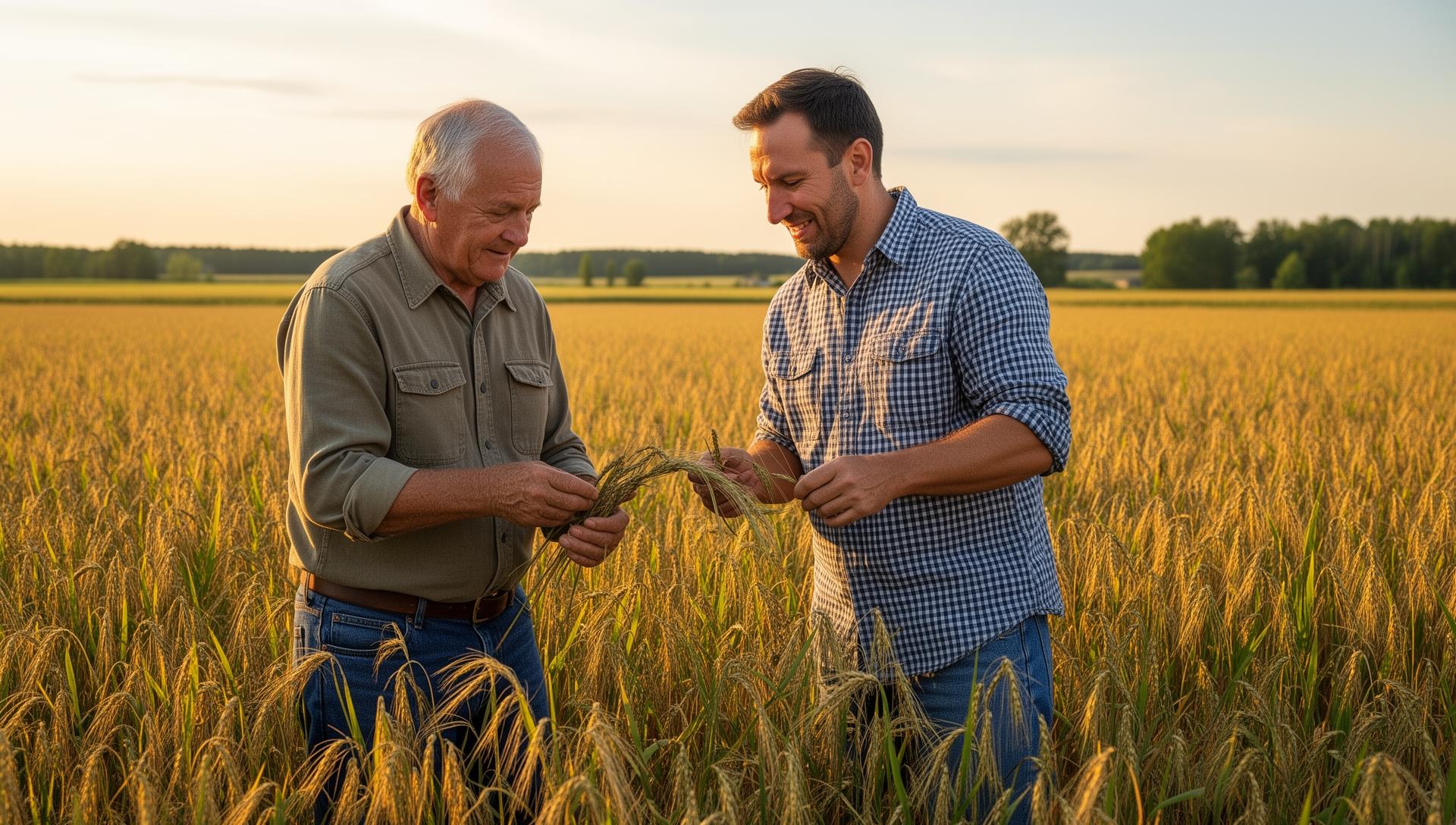
Farm succession is one of the most challenging transitions in agriculture—emotionally, financially, and legally complex. With the average Canadian farmer now over 55 years old and billions in farm assets set to transfer in the next decade, proper succession planning isn't optional. Yet studies show only 1 in 3 Canadian farm families have a written succession plan. This comprehensive guide addresses the unique challenges of Canadian farm succession.
Why Farm Succession Planning Matters
Critical reasons to plan now:
- Aging farmer demographics across Canada
- Consequences of no plan: forced sales, family conflict, tax penalties
- Benefits of early planning (5-10+ years in advance)
- Modern farms are larger, more capital-intensive, more leveraged
- Preserving farm legacy and community
- Addressing off-farm heir equity considerations
Key Stakeholders in Farm Succession
Who should be involved:
- Retiring generation (parents/current owners)
- On-farm successor (child/relative taking over)
- Off-farm heirs (non-farming children)
- Spouses and in-laws
- Professional advisors (lawyers, accountants, mediators)
- Lenders and creditors
- Business partners and landlords
The Farm Succession Planning Process
Step 1: Family Vision and Goals
Begin by understanding what "success" looks like for each family member. The retiring generation's vision for retirement, the next generation's goals for the farm, and off-farm heir expectations must all be understood before developing a plan.
Step 2: Farm Business Assessment
Conduct a thorough assessment including current farm valuation (land, equipment, livestock, quotas), financial position (debt, equity, cash flow), farm profitability and sustainability, management strengths and gaps, and infrastructure needs.
Step 3: Successor Capability Assessment
Evaluate the successor's:
- Management and technical skills
- Financial literacy and business acumen
- Leadership and decision-making capabilities
- Work ethic and commitment level
- Relationship management abilities
- Areas for development and training needs
Tax Strategies for Farm Succession
Lifetime Capital Gains Exemption (LCGE)
The $1 million exemption on qualified farm property (2026) is the most significant tax benefit available. Maximizing this exemption for both generations requires careful planning. Multiplication through corporate structures can significantly increase tax savings.
Intergenerational Transfer Provisions
Section 73 of the Income Tax Act allows rollover to children, deferring capital gains on transfer. Understanding requirements and conditions is essential, and professional tax advice is mandatory for these complex transactions.
Legal Structures and Documents
Essential legal documents for succession:
- Comprehensive will (updated regularly)
- Buy-sell agreements
- Shareholder agreements (if incorporated)
- Partnership agreements
- Rental/lease agreements
- Powers of attorney (financial and health)
- Life insurance policies with proper beneficiary designations
Providing for Retiring Generation
Calculate retirement income needs and identify sources: farm sale/transfer proceeds, CPP, OAS, RRSP, investments. Vendor financing can provide retirement income stream. Consider housing arrangements, healthcare planning, and lifestyle considerations. Many struggle with remaining involved vs. letting go.
Treating Off-Farm Heirs Equitably
The difference between equal and equitable is crucial. Farm value often exceeds liquid assets, making equal division impossible without selling the farm. Options include life insurance, other property, or cash payments over time. Clear communication and documentation prevent resentment.
Financing Farm Succession
Farm Credit Canada (FCC) offers Young Farmer Loans and succession planning resources. Commercial lenders, credit unions, and vendor financing (parents as lender) can be blended. The critical question: can the farm support transition debt while providing for retiring and successor generations?
Family Communication and Conflict Resolution
Communication strategies:
- Early, honest, and ongoing communication
- Regular family meetings (structured with agendas)
- Individual one-on-one conversations
- Professional facilitators/mediators when needed
- Addressing emotions and expectations openly
- Keeping relationships intact throughout the process
Common Farm Succession Mistakes
Avoid these pitfalls:
- Waiting too long to start planning
- Avoiding difficult conversations
- Failing to document agreements
- Not involving professional advisors
- Assuming one-size-fits-all approach
- Ignoring off-farm heirs
- No plan for "what if" scenarios
- Retiring generation won't let go
- Insufficient mentorship and training for successor
Professional Advisors for Farm Succession
A successful succession requires a team: farm business consultants, agricultural lawyers, farm accountants with tax expertise, financial planners, farm mediators, life insurance advisors, and business valuators. Know when and how to engage each professional.
How AgriIntel Supports Farm Succession
Platform succession support features:
- Financial transparency with historical performance data
- Farm valuation data (land, equipment tracked over time)
- Multi-year profitability analysis for realistic projections
- Cash flow projections for transition scenarios
- Documentation of farm operations and systems
- Training tool for successor (accessing historical decisions)
- Multiple user accounts with different permission levels
- Historical data preservation across ownership change
Preserve your farm legacy with proper planning and documentation. AgriIntel provides the financial transparency and historical data that makes succession planning easier. Start your free 14-day trial today.
Get Started Free