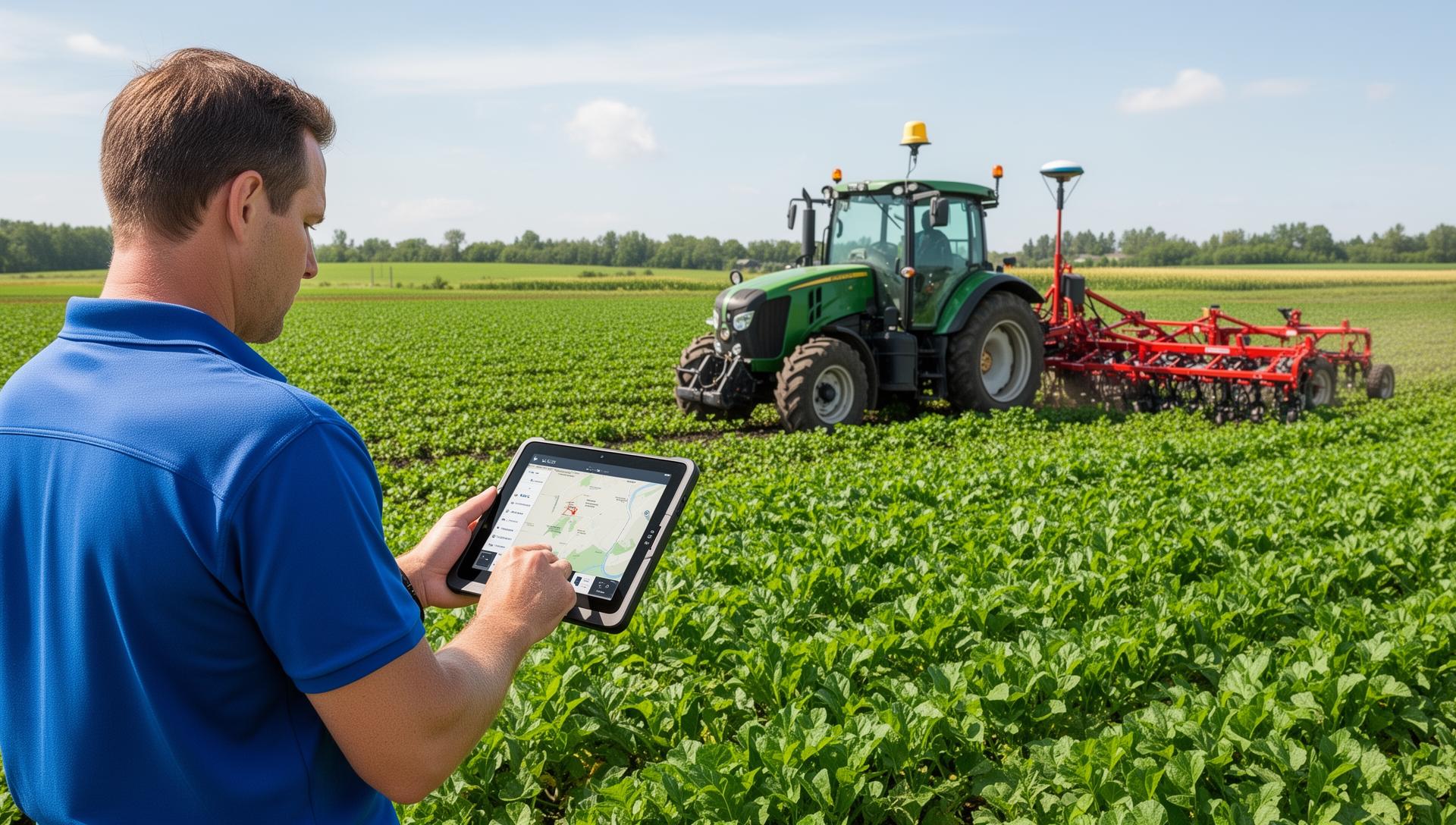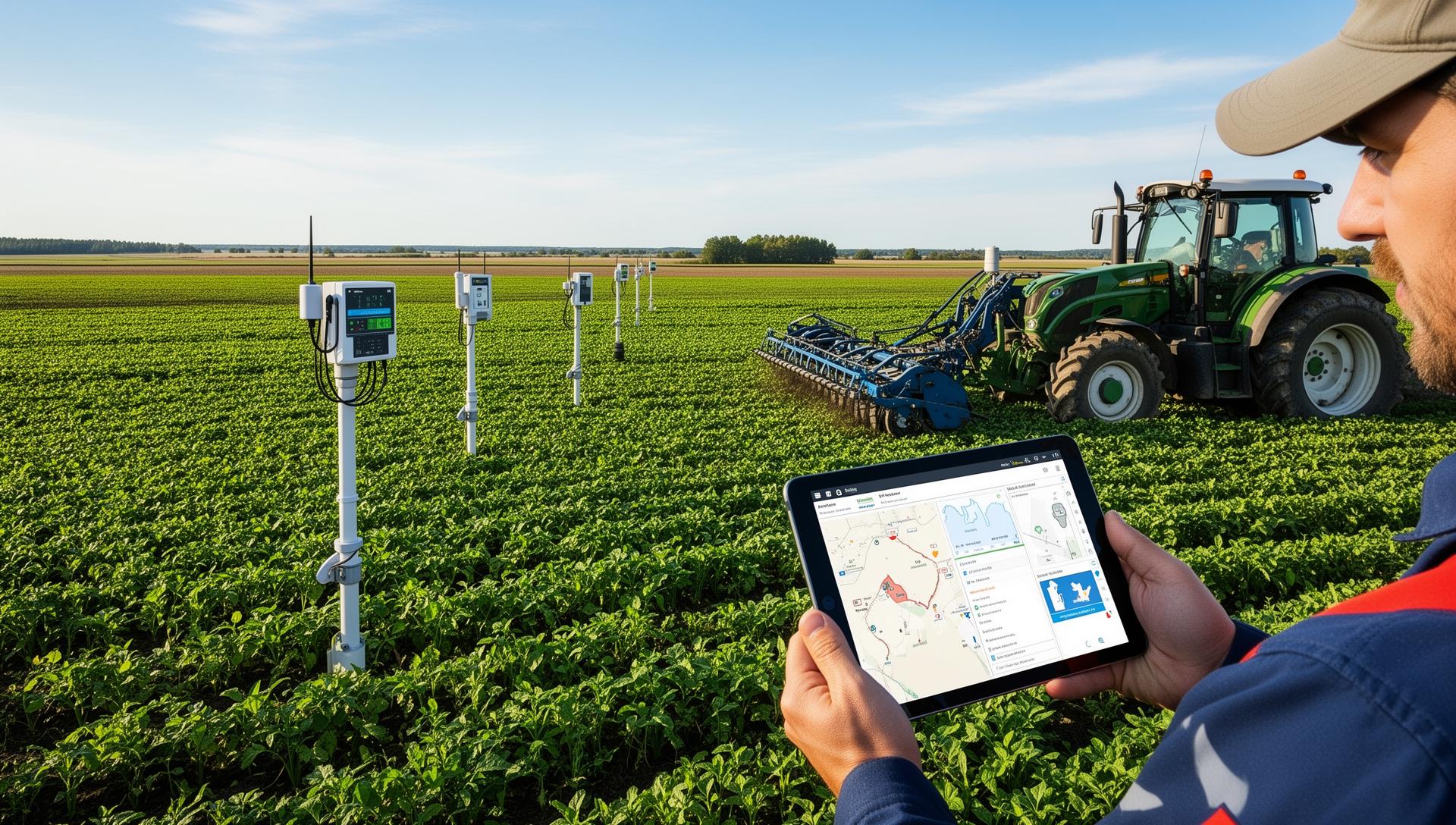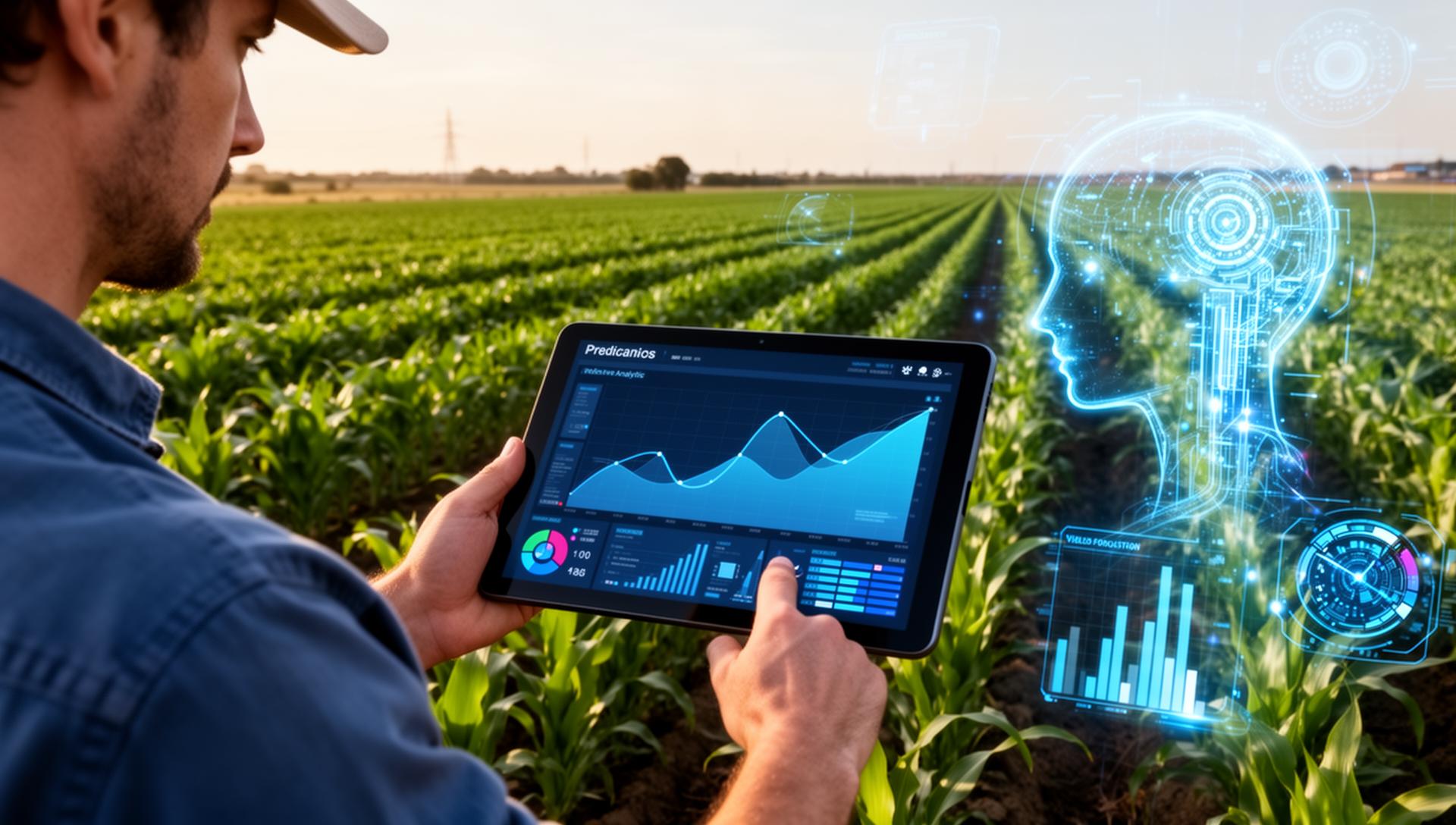
Imagine knowing your harvest results in July instead of October. Artificial intelligence is making early-season yield prediction a reality for Canadian farms, using machine learning algorithms to analyze weather patterns, satellite imagery, soil data, and historical performance to forecast final yields with remarkable accuracy.
Understanding AI in Agricultural Yield Prediction
Agricultural AI uses machine learning to identify patterns in vast amounts of data—far more than any human could process. Unlike traditional yield estimation based on visual assessment and experience, AI models continuously learn from new data, improving accuracy over time. Modern AI can achieve prediction accuracy within 5-15% of actual yields by mid-season.
Data Sources for AI Yield Models
Satellite Imagery & Remote Sensing
Key remote sensing inputs:
- Multispectral imaging (NDVI, NDRE) for crop health
- Synthetic Aperture Radar (SAR) for all-weather monitoring
- Thermal imaging for stress detection
- High-frequency imagery from Planet Labs, Sentinel, Landsat
Weather Data Integration
Weather factors in yield models:
- Historical weather patterns
- Growing degree day (GDD) accumulation
- Precipitation timing and amounts
- Temperature extremes during critical growth stages
- Forecast integration for scenario planning
Farm Management Data
Operation-specific inputs:
- Planting dates and population
- Hybrid/variety selection
- Input applications (fertilizer, chemicals)
- Previous yield data by field
- Crop rotation history
Practical Applications of Yield Predictions
Marketing and Pricing Strategies
Early yield predictions enable proactive forward contracting, optimal timing for basis trading, informed storage vs. sell-at-harvest decisions, and better crop insurance and revenue protection planning.
Harvest and Logistics Planning
Operational benefits:
- Equipment and labour scheduling
- Bin and storage allocation
- Transportation logistics
- Custom harvesting coordination
- Elevator delivery scheduling
AI Yield Prediction by Crop Type
Wheat and Barley
Cereals offer strong prediction accuracy due to well-understood growth patterns. Key indicators include tiller counts, heading dates, and grain fill period conditions. AI can also predict protein content for quality-based marketing.
Canola
Canola prediction focuses on heat stress during flowering, pod development tracking, and swath timing optimization. AI models can also estimate oil content for premium market targeting.
Corn and Soybeans
Growing degree day accumulation is critical for corn and soybean prediction. Pollination period conditions heavily influence corn yields, while pod fill conditions determine soybean outcomes. AI can predict maturity dates and optimal harvest timing.
Accuracy and Reliability of AI Predictions
General industry context for AI yield models (AgriIntel yield prediction is on our roadmap, not yet available). Published models typically report error narrowing through the season:
- Early season (June): wider error, often 15-25%
- Mid-season (July-August): often 5-15%
- Late season (September): often 3-8%
- Accuracy improves with more years of farm data
- Field-level predictions less accurate than farm-level
Privacy and Data Ownership Concerns
When using AI yield prediction platforms, understand who owns your farm data and review data sharing agreements carefully. Look for platforms that offer clear privacy protection, data anonymization, and PIPEDA compliance for Canadian farmers.
How AgriIntel Delivers Predictive Intelligence
Platform AI capabilities:
- Integrated AI yield forecasting engine
- Field-by-field prediction visualizations
- Historical accuracy tracking
- Marketing decision support tools
- Confidence scoring on all predictions
- Multi-scenario "what if" modeling
- Integration with market data for financial forecasting
Don't wait until harvest to know your results. Start your free 14-day trial and experience the power of AI-driven predictive analytics designed for Canadian agriculture.
Get Started Free