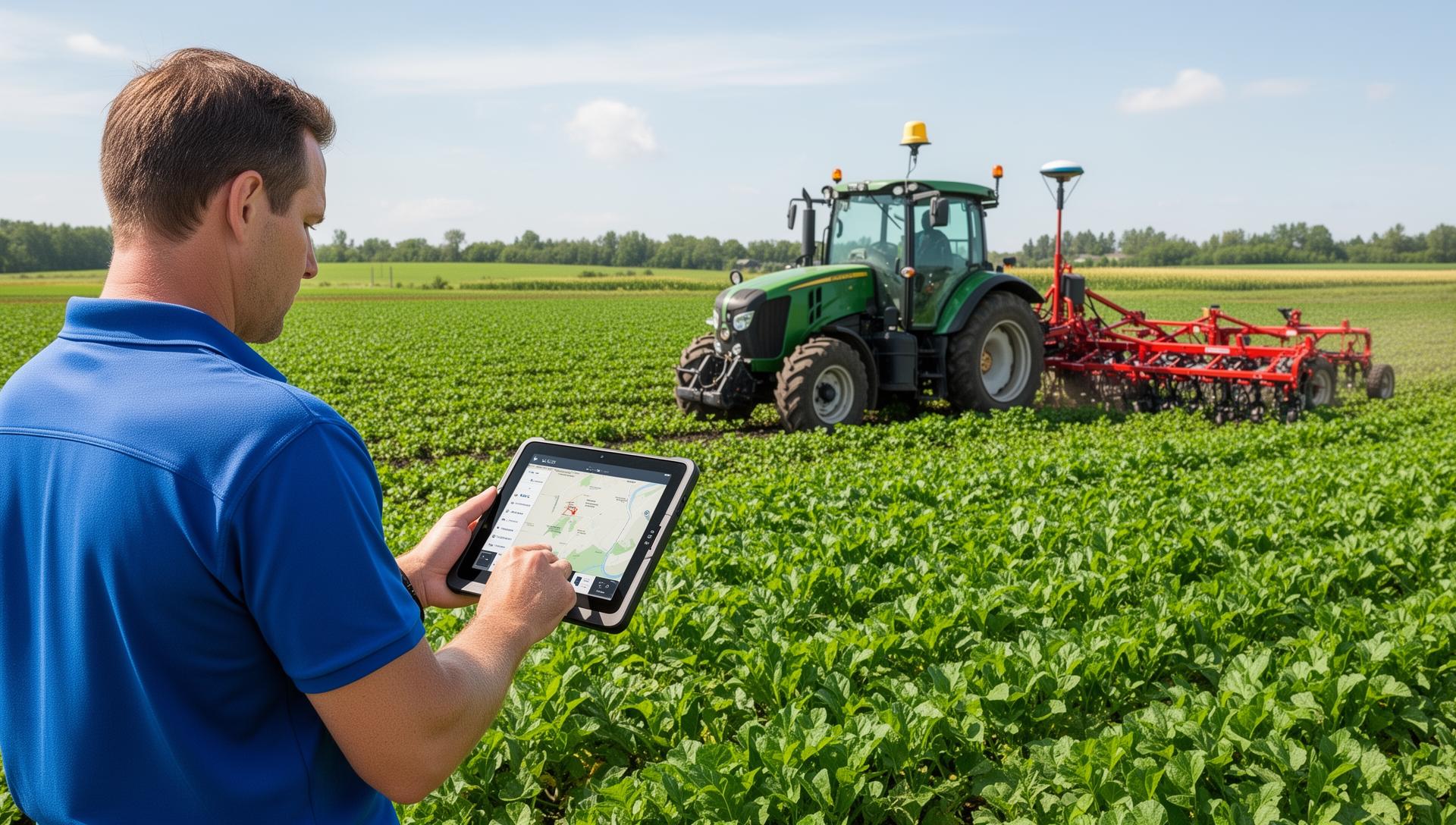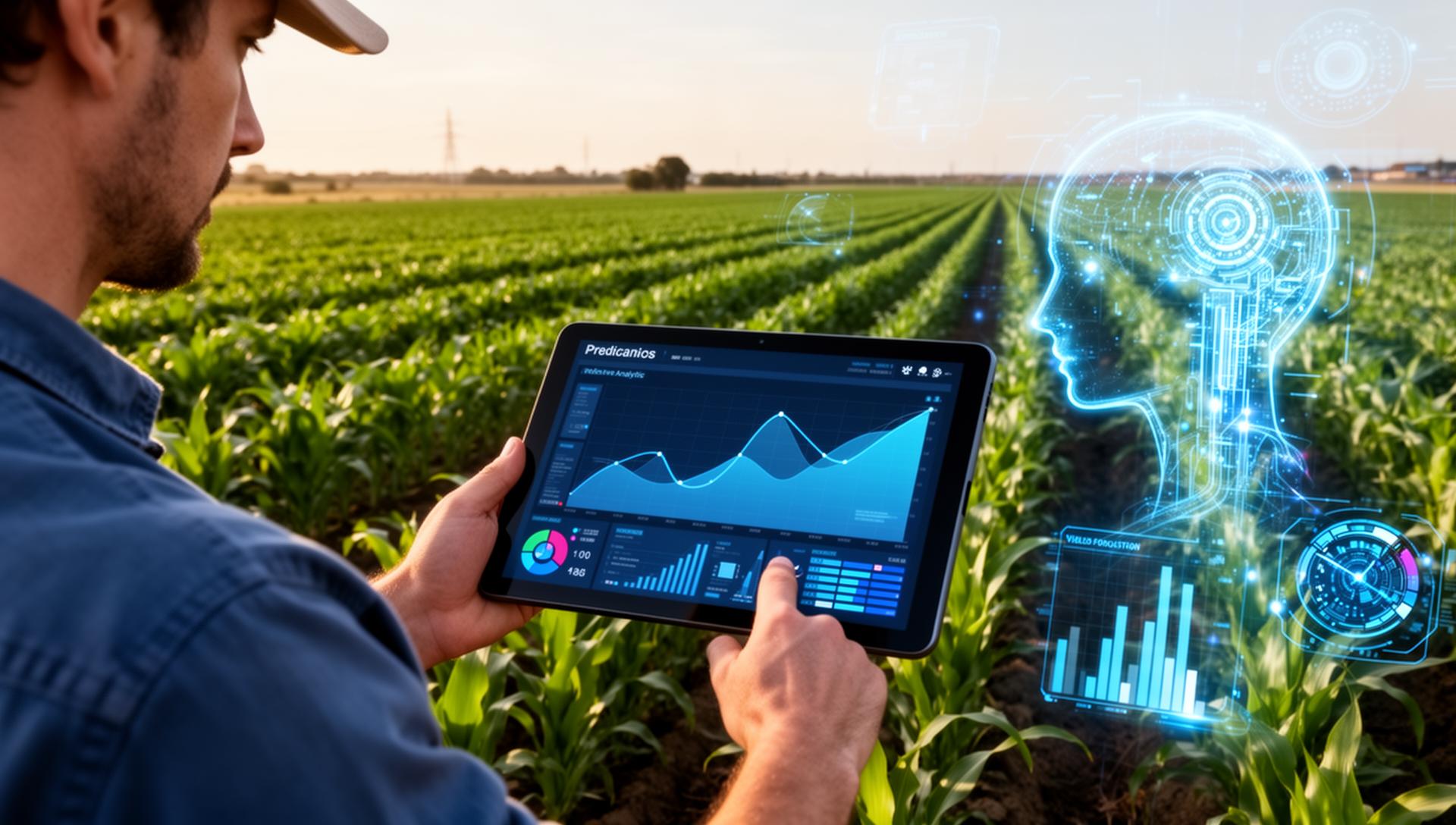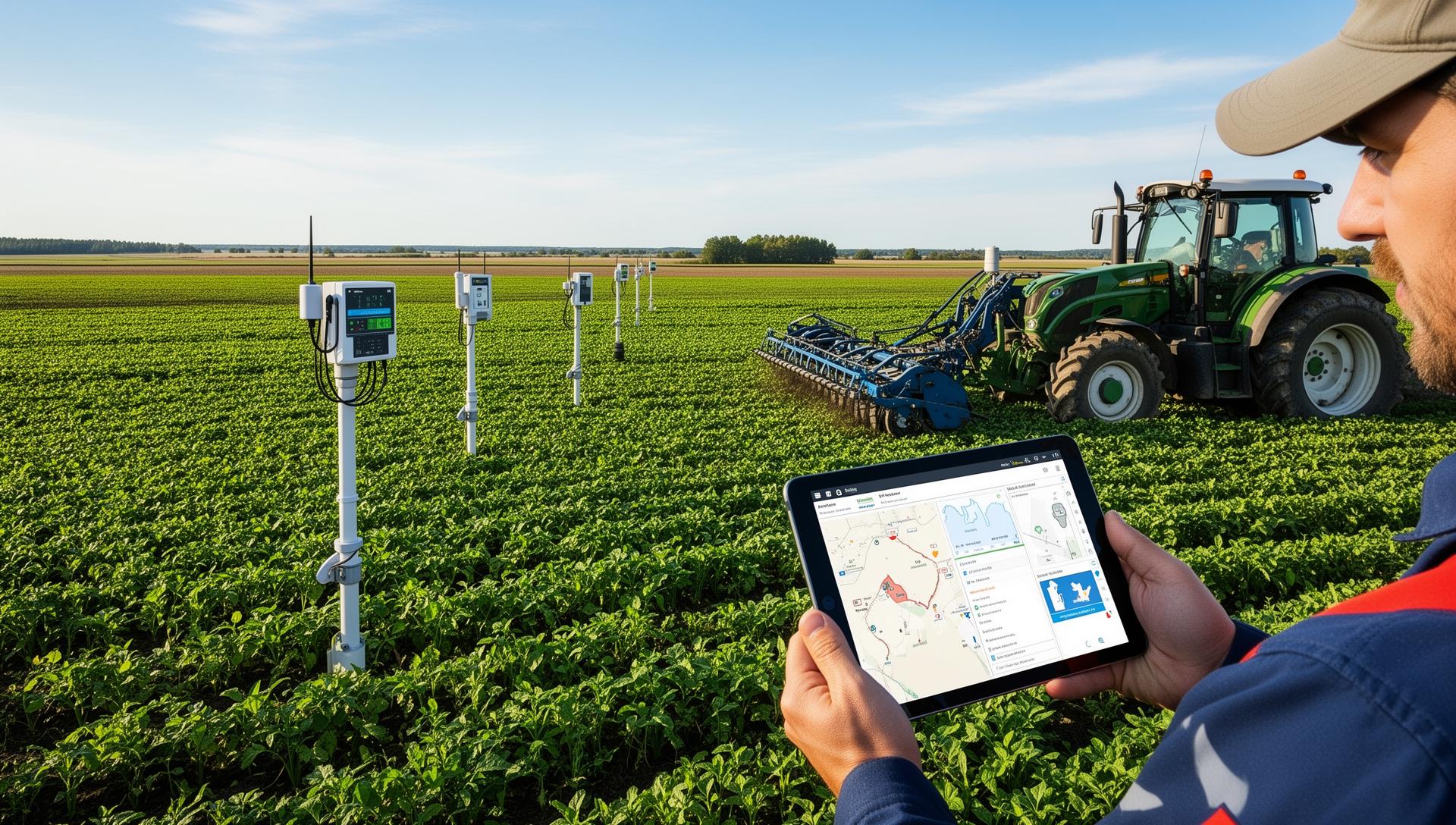
The Internet of Things (IoT) is revolutionizing Canadian agriculture, enabling farmers to monitor conditions, control equipment, and respond to issues from anywhere—all through connected sensors and automated systems. From soil moisture probes that trigger irrigation to livestock sensors that detect health issues before they become critical, IoT technology provides real-time intelligence that was unimaginable a decade ago.
Understanding IoT in Agriculture
Agricultural IoT connects sensors, equipment, and management systems through cloud connectivity, enabling real-time data flow and automated responses. The benefits include improved efficiency, precision in resource application, remote monitoring capabilities, and faster response to issues. Challenges include rural connectivity, upfront costs, and system complexity.
Sensor Technology for Canadian Farms
Soil & Environmental Sensors
Essential soil monitoring technology:
- Soil moisture sensors (capacitance vs. tensiometer types)
- Soil temperature monitoring for planting decisions
- pH and nutrient sensors (emerging technology)
- Weather station integration
- Growing degree day tracking
Crop Monitoring Sensors
Above-ground crop monitoring:
- Leaf wetness sensors for disease prediction
- Canopy temperature sensors
- NDVI and multispectral sensors
- Growth stage monitoring
- Automated pest trap sensors
Livestock Monitoring Sensors
Animal health and management:
- Wearable health monitors for cattle, hogs, sheep
- Heat detection collars
- Activity and rumination monitors
- Weight scales integration
- Water consumption monitoring
- Geofencing and location tracking
Farm Automation Systems
Irrigation Automation
Modern irrigation automation includes automated pivot controls, soil-moisture-triggered irrigation, zone-based management, water pressure regulation, and fertigation integration. Remote scheduling and monitoring allow adjustments from anywhere with cellular or internet connectivity.
Grain Storage Automation
Protecting your harvest:
- Automated aeration control based on temperature
- Temperature-based fan management
- Moisture monitoring and alerts
- Bin level sensors
- Emergency alert systems
Connectivity Solutions for Rural Farms
Overcoming rural connectivity challenges:
- Cellular connectivity (4G/5G agricultural plans)
- LoRaWAN for long-range, low-power sensors
- Satellite internet options (Starlink for farms)
- Mesh networks for farm-wide coverage
- Edge computing for offline operation
- Hybrid connectivity strategies
Practical IoT Applications by Farm Type
Grain Farms
Grain operations benefit from combine yield monitoring and telematics, soil moisture mapping, weather station networks, grain storage monitoring, and equipment fleet management.
Livestock Operations
Livestock farms use IoT for animal health and reproduction monitoring, automated feeding and climate control, manure system management, pasture rotation tracking, and water system monitoring.
ROI & Cost Analysis
Investment considerations:
- Initial investment ranges: $500-50,000+ depending on scale
- Ongoing subscription and data costs: $20-500/month
- Labour savings quantification: 10-30% time reduction
- Input efficiency improvements: 5-15%
- Typical payback period: 1-3 years
Security & Risk Management
Farm IoT security is critical. Implement cybersecurity best practices, maintain data backup and redundancy, establish system failure protocols, plan for internet outages, and ensure regular sensor calibration and maintenance.
IoT on the AgriIntel Roadmap
IoT sensor integration is on our roadmap and is not yet available. When it ships, we plan to support:
- Integration with common farm sensor types
- Real-time sensor data visualization
- Automated alerts and notifications
- Historical analysis and reporting
- Remote monitoring on any device
- Maintenance reminders
Transform your farm into a connected, intelligent operation with AgriIntel. Start your free 14-day trial and experience the power of a truly smart farm.
Get Started Free