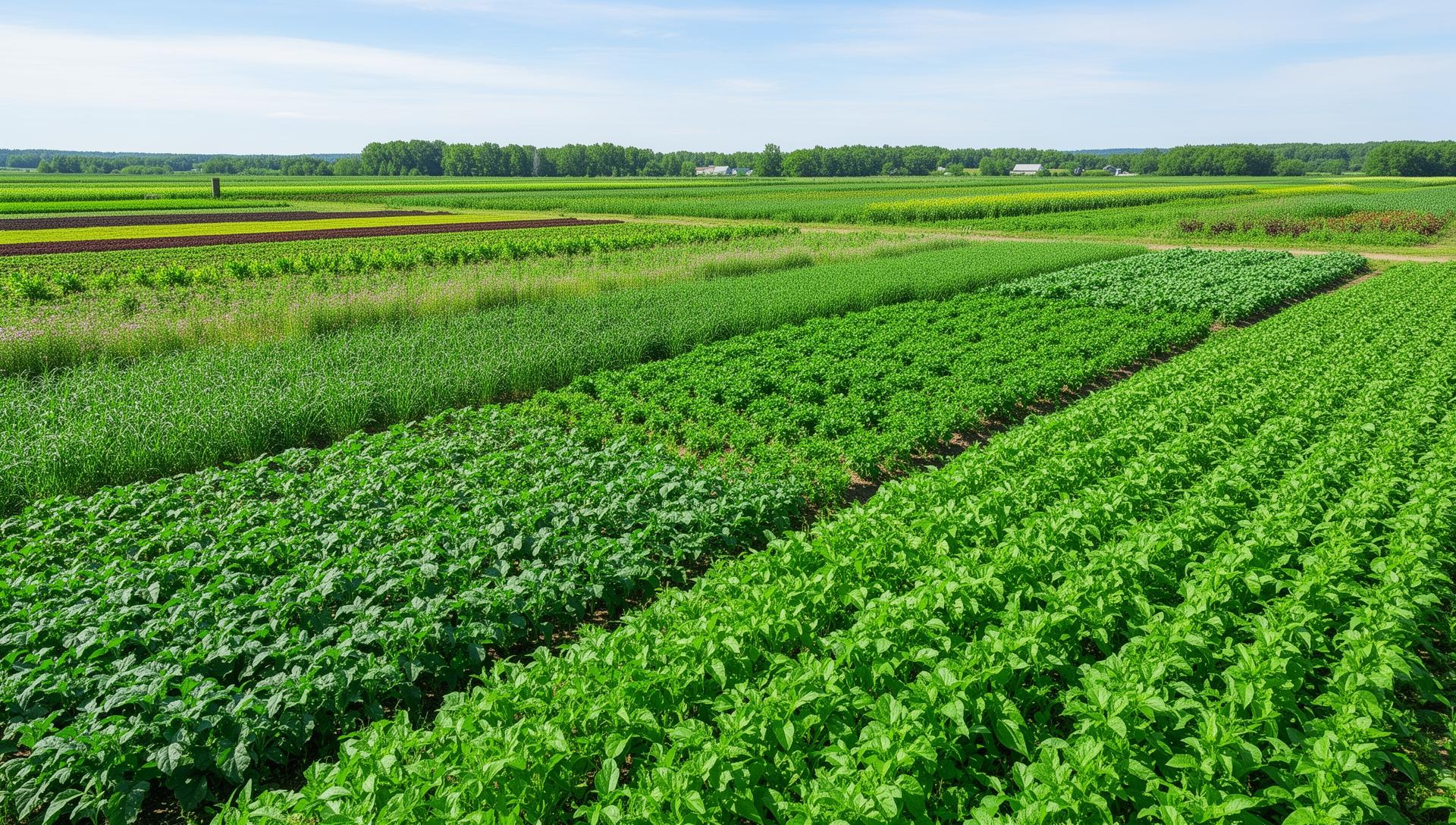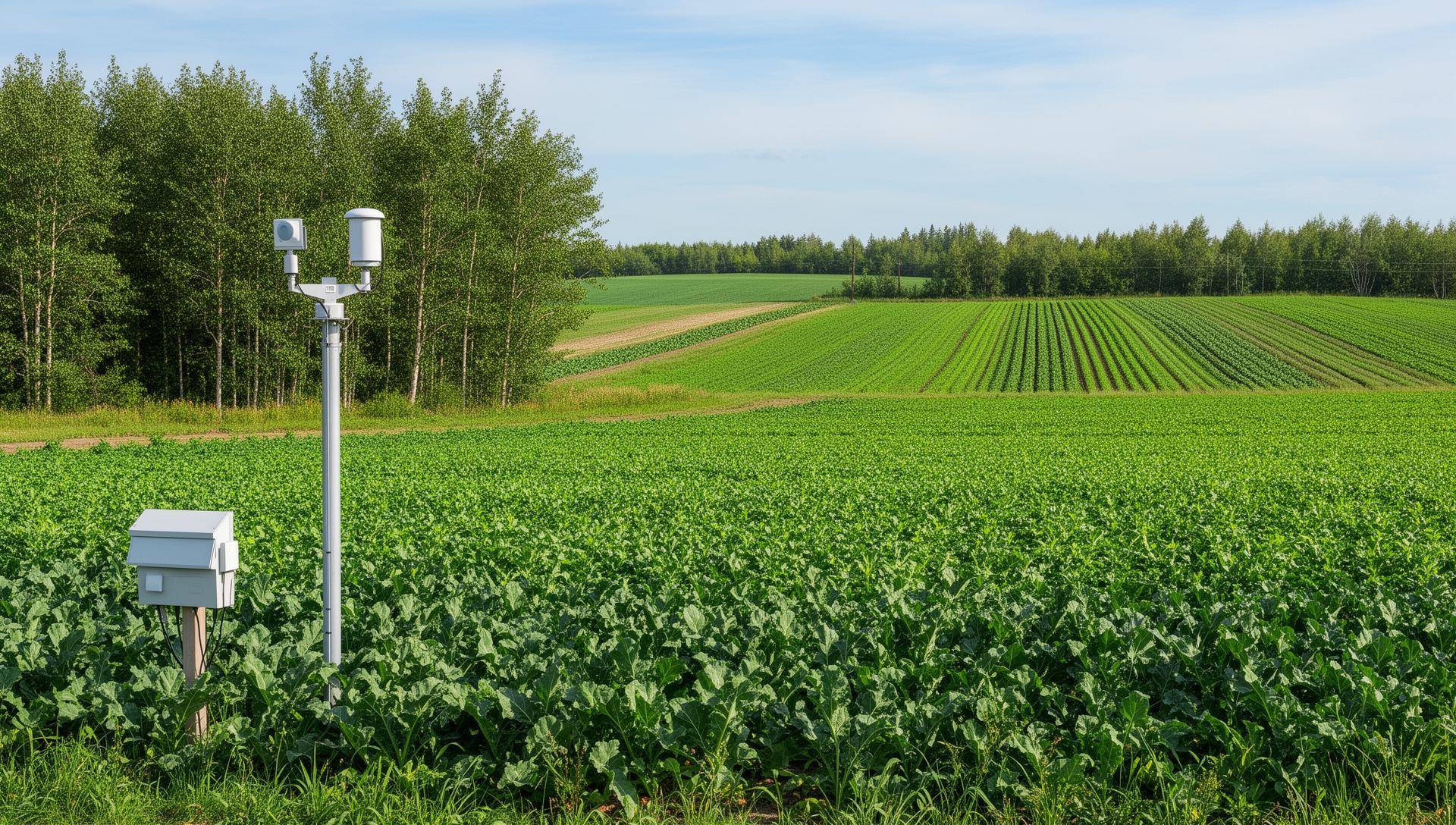
Canadian farmers are uniquely positioned to benefit from the growing carbon market. Agricultural land has enormous potential for carbon sequestration, and farms that adopt sustainable practices can earn significant income through carbon credit programs while contributing to climate solutions. This comprehensive guide covers everything Canadian farmers need to know about carbon credit opportunities.
Understanding Agricultural Carbon Credits
Carbon credits represent verified reductions in greenhouse gas emissions or increases in carbon sequestration. In agriculture, credits are typically generated through practices that store carbon in soil, reduce fertilizer emissions, or improve energy efficiency. Each credit represents one tonne of CO2 equivalent.
How Farmers Earn Carbon Credits
Eligible carbon-generating practices:
- Reduced tillage or no-till farming
- Cover cropping and crop rotation diversity
- Improved nitrogen management
- Agroforestry and tree planting
- Wetland restoration and conservation
- Livestock feed additives that reduce methane
- Manure management improvements
Canadian Agricultural Carbon Programs
Alberta Carbon Offset System
Alberta has the most mature agricultural carbon market in Canada. The Conservation Cropping Protocol rewards no-till and reduced tillage practices with established verification methods and a track record of payments to farmers.
Federal Output-Based Pricing System
The federal carbon pricing system creates demand for offset credits. Agricultural offset protocols are being developed under the federal system, creating new opportunities for farmers across Canada.
Provincial Programs
Regional carbon programs:
- Saskatchewan: Emerging offset protocols for agriculture
- Manitoba: Carbon sequestration incentives
- Ontario: Cap-and-trade replacement programs
- British Columbia: Agricultural carbon offsets
- Quebec: Cap-and-trade agricultural opportunities
Private Carbon Credit Marketplaces
Farmers Edge Carbon Program
Farmers Edge offers Canadian farmers access to voluntary carbon markets with data-driven verification using precision agriculture data you may already be collecting.
Nutrien Ag Solutions
Working with Nori Carbon Removal marketplace, Nutrien helps farmers generate and sell carbon credits from regenerative agriculture practices.
CIBO and Other Platforms
Several technology platforms now help farmers quantify, verify, and sell carbon credits from sustainable practices with varying requirements and payment structures.
Verification and Documentation Requirements
What you need to participate:
- Historical field records (tillage, inputs, yields)
- GPS field boundaries
- Soil sampling data
- Input application records
- Proof of practice implementation
- Ongoing monitoring and reporting
Calculating Your Carbon Credit Potential
Carbon credit value depends on your baseline practices, the practices you adopt, your soil type and climate region, market prices for credits, and the specific program you enroll in. Current prices range from $15-50+ per tonne of CO2 equivalent.
Risks and Considerations
Before enrolling, consider:
- Contract length and obligations (often 10+ years)
- Reversal risk if you change practices
- Stacking limitations with other programs
- Additionality requirements
- Market price volatility
- Verification costs and time commitment
Getting Started with Carbon Credits
Step-by-step approach:
- 1. Assess your current practices and baseline
- 2. Identify changes that could generate credits
- 3. Research programs available in your province
- 4. Compare payment structures and requirements
- 5. Ensure your record keeping is adequate
- 6. Consider working with an aggregator initially
How AgriIntel Supports Carbon Credit Programs
Platform carbon features:
- Automatic tracking of eligible practices
- Carbon potential calculator by field
- Documentation for verification requirements
- Integration with carbon credit platforms
- Historical data storage for baseline establishment
- Reporting tools for program compliance
Calculate your farm's carbon credit potential with AgriIntel. Start your free 14-day trial and explore new revenue opportunities from sustainable practices.
Get Started Free