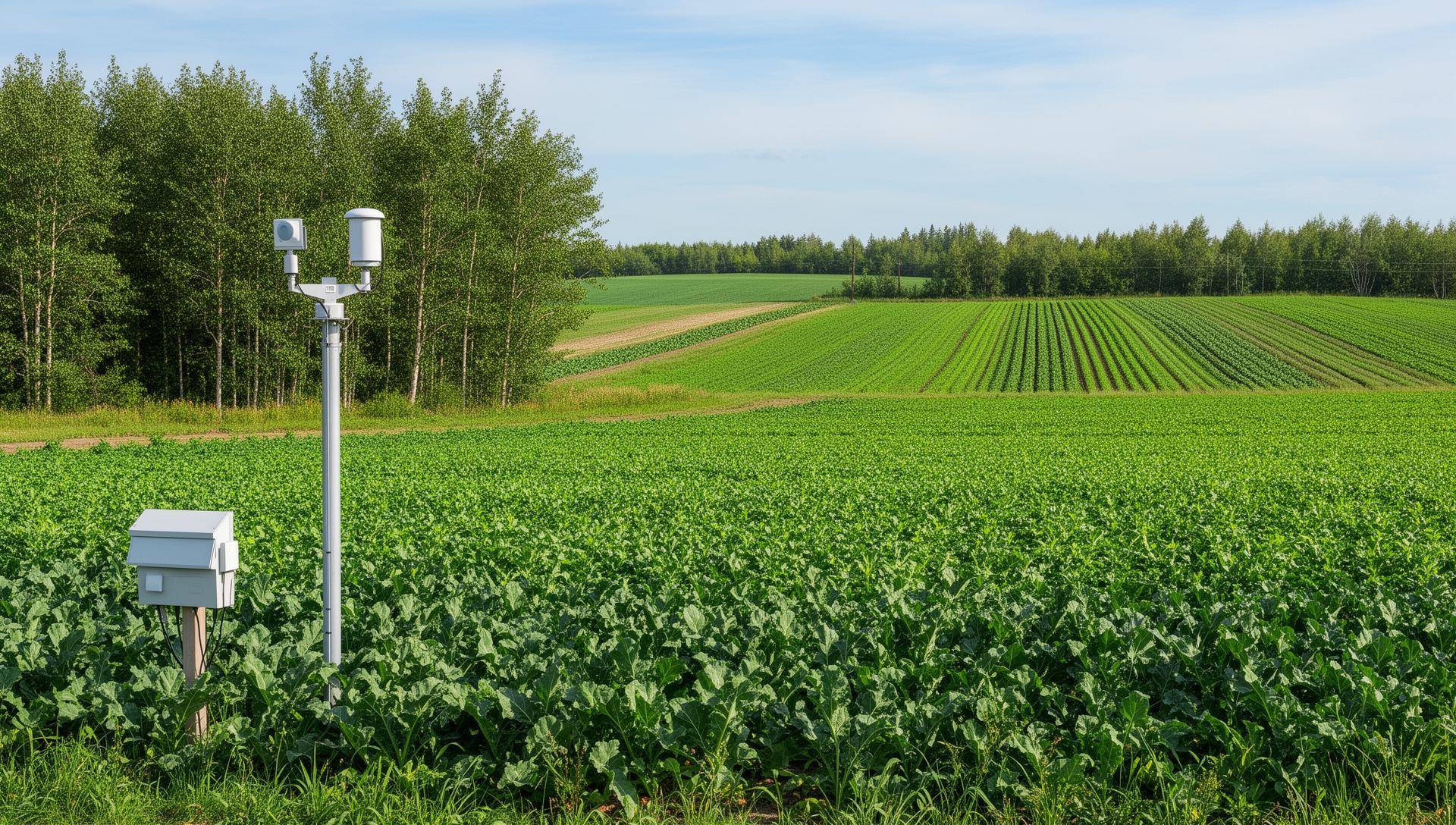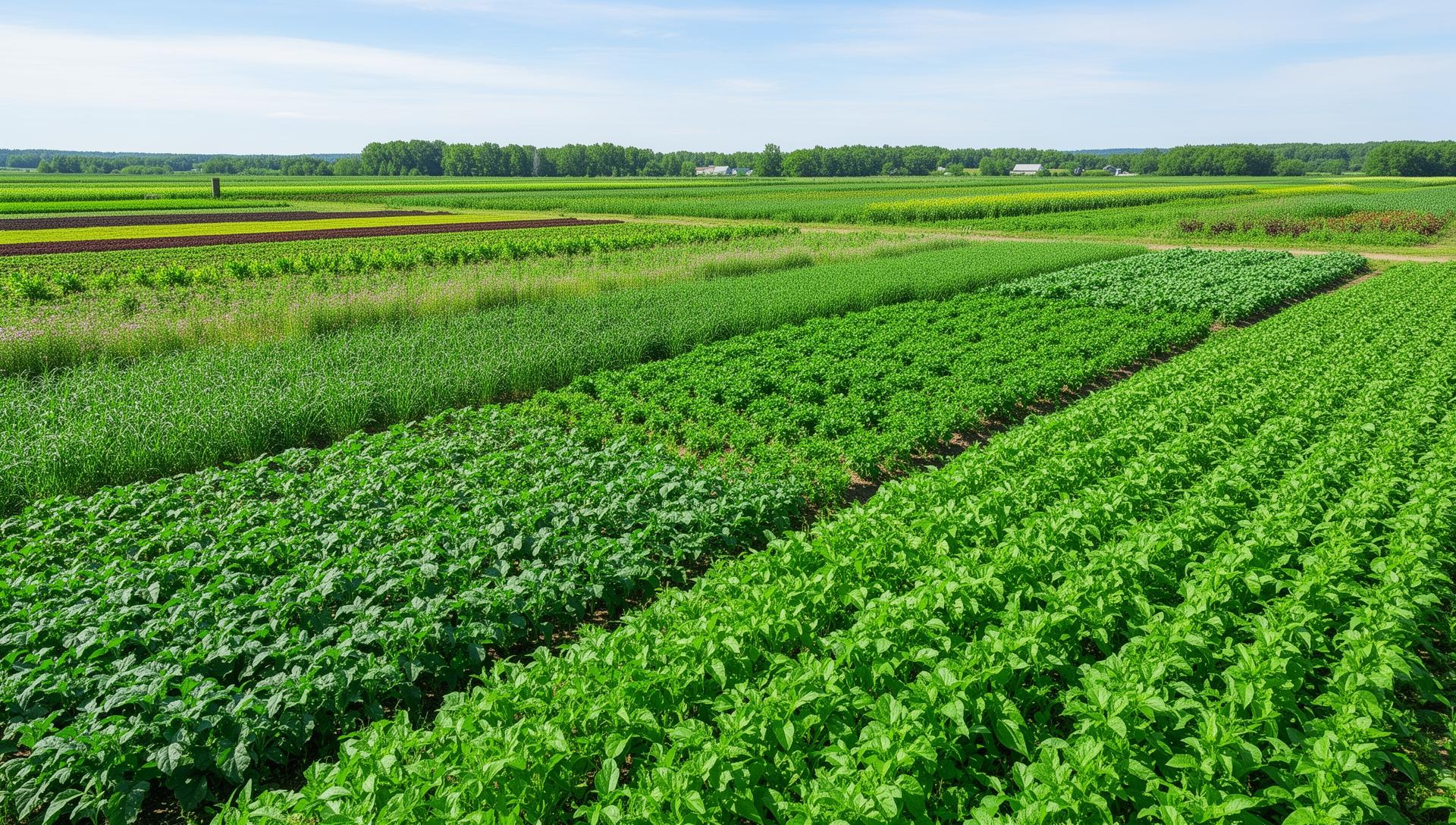
Sustainable farming is not just about environmental responsibility—it is increasingly essential for long-term farm profitability, market access, and multi-generational viability. Canadian consumers and food companies are demanding sustainably-produced food, government programs reward environmental practices, and growing evidence shows that regenerative approaches often improve yields while reducing input costs.
What is Sustainable Agriculture?
Sustainable agriculture meets present needs without compromising future generations. It balances three pillars: environmental health, economic viability, and social equity. Understanding the differences between sustainable, regenerative, and organic farming helps you choose the right approach for your operation.
Why sustainability matters to modern farms:
- Growing consumer demand for sustainable products
- Market premiums and access to premium buyers
- Government support and program eligibility
- Climate change adaptation and resilience
- Long-term soil health and productivity
- Multi-generational farm viability
Soil Health as Foundation
Building Soil Organic Matter
Organic matter is the cornerstone of soil health, improving water holding capacity, nutrient availability, and carbon sequestration. Increase organic matter through cover crops, compost application, and reduced tillage. Expect visible improvements over 3-5+ years of consistent practice.
Reducing or Eliminating Tillage
Benefits of conservation tillage:
- Erosion control and soil structure preservation
- Improved moisture retention
- Carbon sequestration for climate benefits
- Reduced fuel and labor costs
- Enhanced soil biology and earthworm activity
- Long-term yield stability
Cover Cropping
Cover crops enhance sustainability through nitrogen fixation (legumes), erosion control, weed suppression, and improved soil structure. Select species appropriate for Canadian climate zones and your specific goals. While establishment requires investment, long-term ROI is well-documented.
Integrated Pest Management (IPM)
IPM uses a hierarchy of controls—cultural, biological, mechanical, and chemical (as last resort)—to manage pests economically while minimizing environmental impact. Threshold-based treatments reduce pesticide costs and protect beneficial insects.
IPM strategies for Canadian farms:
- Regular scouting to identify pest pressure
- Economic threshold-based treatment decisions
- Crop rotation to break pest cycles
- Resistant varieties when available
- Beneficial insect habitat preservation
- Targeted application timing and methods
Nutrient Management Optimization
4R Nutrient Stewardship
The 4R framework:
- Right Source: matching fertilizer to crop needs
- Right Rate: avoiding over-application
- Right Time: synchronizing with crop demand
- Right Place: precision placement for efficiency
4R Nutrient Stewardship delivers both environmental benefits and cost savings. Precision nutrient application using variable rate technology and soil testing reduces fertilizer waste and environmental losses.
Water Conservation and Management
Water stewardship practices:
- Efficient irrigation systems and scheduling
- Soil moisture monitoring technology
- Drought-resistant crop varieties
- Buffer strips to protect water quality
- Wetland preservation and restoration
- Runoff and erosion prevention structures
Biodiversity Enhancement
Habitat Creation and Preservation
Enhance biodiversity through pollinator habitat (native flowers, hedgerows), wildlife corridors, wetland preservation, grassland conservation, and beneficial insect habitat. Many of these practices also qualify for carbon credits and government cost-share programs.
Crop Diversity Strategies
Increasing crop diversity:
- Extended crop rotations (4+ crops)
- Intercropping and companion planting
- Heritage and indigenous crop varieties
- Perennial crop integration
- Reducing monoculture risks
Livestock Integration and Rotational Grazing
Rotational grazing systems improve pasture health, animal performance, and soil carbon sequestration. Intensive management with proper rest periods leads to improved forage quality, reduced input costs, and enhanced environmental outcomes.
Sustainable Farm Certifications
Organic Certification
Canadian Organic Standards require a 3-year transition period but offer significant market premiums. Certification bodies across Canada provide inspection and ongoing compliance support.
Environmental Farm Plans (EFP)
Environmental Farm Plans are available in all provinces, providing assessment frameworks, action planning, and access to Beneficial Management Practices (BMP) funding. EFPs are often prerequisites for government environmental programs.
Economic Benefits of Sustainable Practices
Financial advantages:
- Input cost reductions (fertilizer, pesticides, fuel)
- Yield stability and drought resilience
- Market premiums and buyer access
- Risk reduction through diversification
- Long-term land value appreciation
- Carbon credit revenue opportunities
- Government program eligibility
Government Support for Sustainable Farming
Significant support exists through Beneficial Management Practices (BMP) funding, Canadian Agricultural Partnership programs, provincial environmental incentives, and tax incentives for sustainable investments. Research and extension support helps farmers implement practices effectively.
Challenges and Realistic Expectations
Be prepared for:
- Transition period learning curve (2-5 years)
- Possible short-term yield adjustments
- Weed and pest management changes
- Equipment modifications or purchases
- Knowledge and skill development needs
- Importance of patience and long-term thinking
How AgriIntel Supports Sustainable Farming
Platform sustainability features:
- Track and document sustainable practices
- Soil health monitoring and trend analysis
- Input use optimization tools
- Cover crop and rotation planning
- Carbon credit program tracking
- Environmental Farm Plan integration
- Certification documentation support
- Cost-benefit analysis of practice changes
Build a more sustainable and profitable farm with AgriIntel. Start your free 14-day trial and take the first step toward a more sustainable farm future.
Get Started Free