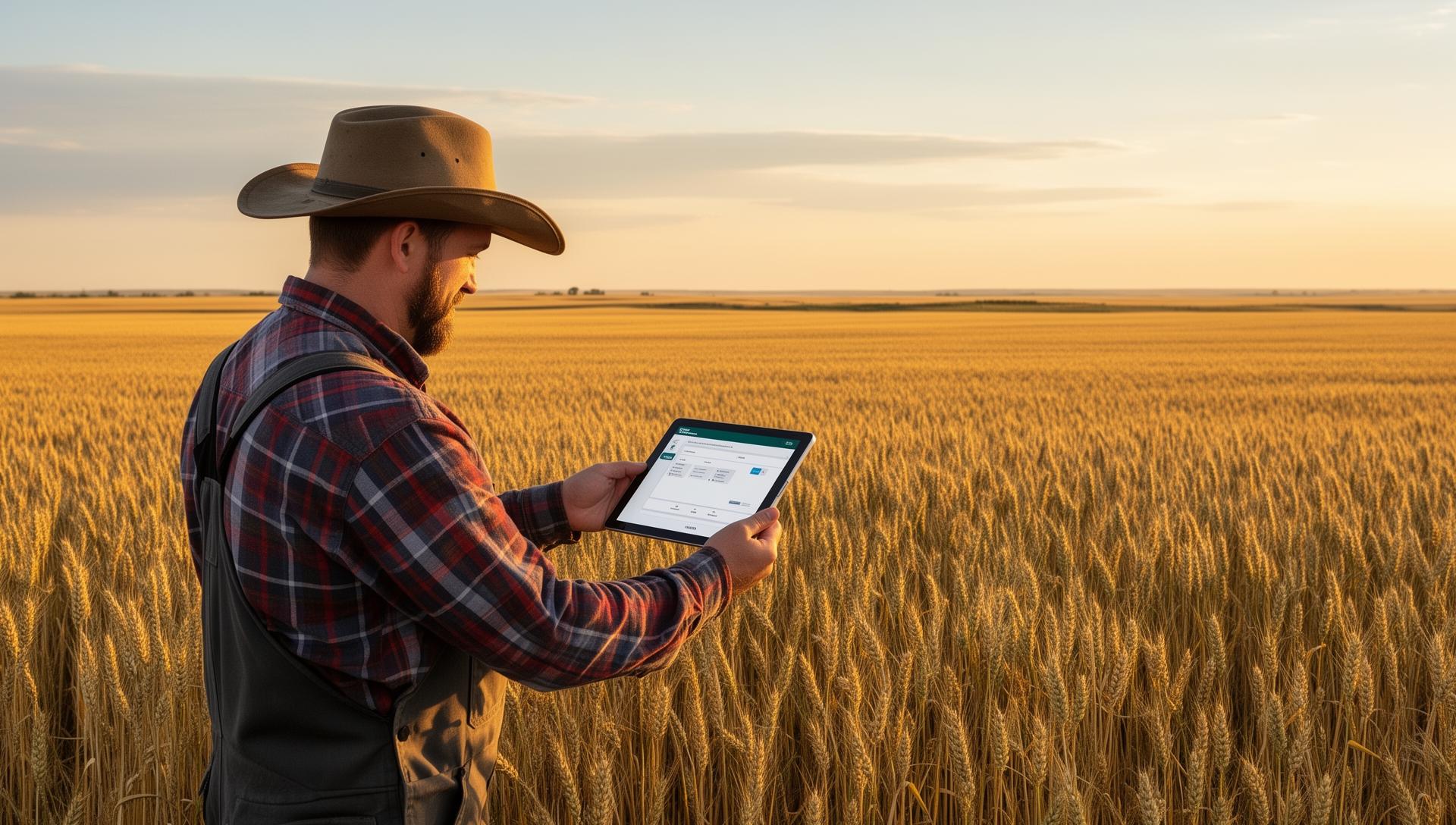
Understanding Canada's diverse climate zones is critical for farming success. With zones ranging from 0 (Arctic) to 9 (coastal BC), Canadian farmers face unique challenges that differ significantly from American agriculture. Whether you're managing a wheat operation in Saskatchewan or a fruit farm in the Okanagan, knowing your exact growing zone determines everything from crop selection to planting schedules.
Understanding Canadian Plant Hardiness Zones
The Canadian plant hardiness zone system helps farmers and gardeners understand which crops will thrive in their specific region. Unlike the USDA system, Canadian zones account for additional factors like snow cover duration and summer rainfall patterns.
Key factors in zone determination:
- Minimum winter temperatures
- Length of frost-free period
- Summer rainfall patterns
- Snow cover duration and depth
- Maximum summer temperatures
Canadian Growing Zone Map Breakdown
Zone 0-3: Northern & Arctic Regions
These extreme cold zones face -50°C winters and short growing seasons of just 60-90 days. Hardy crops include barley, certain potato varieties, and cold-hardy vegetables. Greenhouse and season extension techniques are essential for success.
Zone 4-6: Prairie Provinces
Saskatchewan, Manitoba, and Alberta fall primarily in these zones with continental climate characteristics. Primary crops include wheat, canola, barley, and pulses. Frost risk management is a critical skill for prairie farmers.
Zone 7-8: Southern Ontario & Quebec
Longer growing seasons of 150-180 days enable diverse crop opportunities including tender fruits, corn, soybeans, and specialty vegetables. Humidity and disease pressure require careful management strategies.
Zone 9: Coastal British Columbia
Mild winters and wet springs create year-round growing potential. Specialty crops, berries, and greenhouse operations thrive here, though unique pest and disease challenges require attention.
Selecting Crops for Your Canadian Zone
Choosing zone-appropriate crops is the foundation of farm profitability. Consider cold-hardy versus heat-loving varieties, indigenous and heritage crops suited to Canadian conditions, and season extension techniques like row covers and high tunnels.
Using Technology to Optimize Zone-Based Planting
Modern farm management platforms offer digital growing zone calculators with GPS precision, real-time frost alert systems, and historical weather pattern analysis. Mobile apps enable in-field decisions while integration with precision agriculture equipment maximizes efficiency.
Try our Canadian Growing Zone Calculator to get personalized crop recommendations based on your exact farm location.
Get Started Free