A frost advisory is a public weather alert warning that overnight temperatures are expected to fall low enough for frost to form and damage sensitive plants. In Canada, Environment and Climate Change Canada (ECCC) issues frost advisories mainly during the growing season, when a frost can hurt crops, gardens and orchards. The exact criteria vary by region, because what counts as a damaging frost depends on the local growing season, so always read the alert text for your area.
Frost, Freeze and What the Thermometer Misses
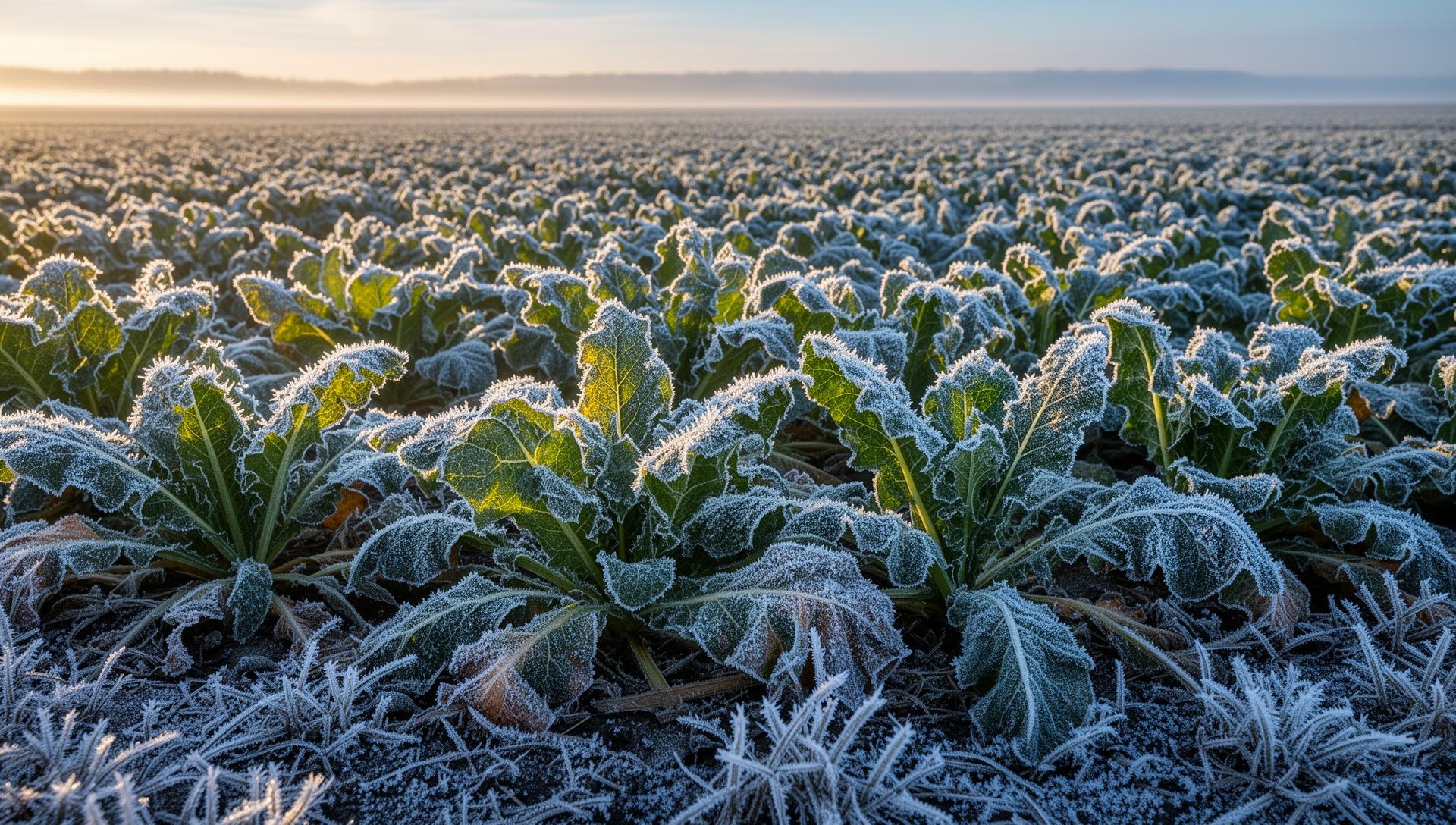
Frost is ice crystals forming on surfaces that have cooled to 0°C or below. Frost can form on crops even when the reported air temperature stays a degree or two above freezing, because official temperatures are measured above the ground, while leaves and low-lying ground cool faster than the air above them on clear, calm nights. A freeze usually refers to the air temperature itself falling below 0°C, which tends to damage a wider range of crops. Terminology differs between countries: in the United States, for example, forecasters use separate frost advisories and freeze warnings.
Why Some Fields Get Hit Harder
Conditions that make frost more likely or more severe:
- Low-lying fields and valleys, where cold air drains downhill and pools
- Clear skies, which let heat radiate away from the ground overnight
- Calm wind, which stops warmer air from mixing down to crop level
- Dry air with a low dew point, which allows temperatures to fall faster
Which Crops Are Most at Risk
Frost damage depends on the crop, its growth stage, how cold it gets and for how long. As a general rule, crops are most vulnerable while emerging, flowering or filling seed, and warm-season crops such as corn, soybeans, dry beans and many vegetables are more sensitive than cool-season cereals. Provincial crop specialists publish stage-specific frost guidance for major crops, and it is worth keeping the guide for your province close during spring and fall.
What to Do When a Frost Advisory Is Issued
A practical response plan:
- Check the forecast low for your farm's own location, not just the nearest town
- List your low-lying fields and any crops at sensitive growth stages
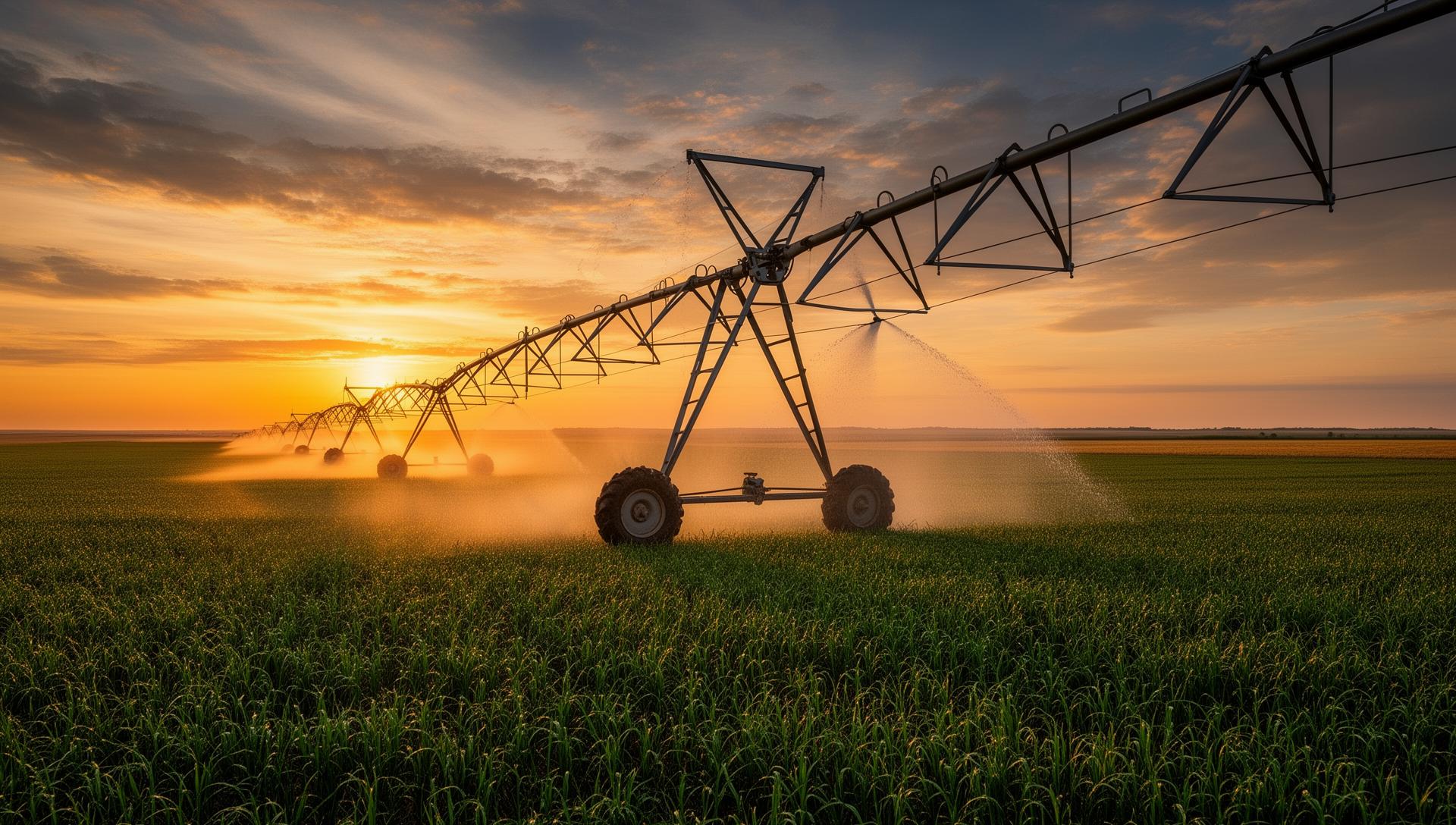
- For high-value crops, use the protection you have available and practical, such as row covers or frost-protection irrigation
- Plan to scout affected fields after the frost; damage often takes several days to show
- If you have crop insurance, contact your insurer before reseeding or working down a damaged crop
Regional Advisories vs Farm-Level Frost Alerts
Public advisories cover a forecast region, and a single region can include very different terrain. A farm-level alert looks at the forecast for your farm's coordinates instead. Both are useful, and neither replaces checking conditions in your own fields.
Frequently Asked Questions
What temperature triggers a frost advisory in Canada?
There is no single national number. Environment and Climate Change Canada sets alert criteria by region, generally around temperatures near or below freezing during the growing season. Read the alert text for your area and check ECCC's public weather alerts for the current criteria.
Can frost form when the temperature is above 0°C?
Yes. Official temperatures are measured above the ground. On clear, calm nights, leaves and low spots can cool to freezing while the air above is still slightly warmer, so frost can form even when the reported low is a little above 0°C.
How soon can I see frost damage on crops?
Often not right away. Frost-damaged tissue can take several days to show wilting, discolouration or water-soaked patches, so it is usually worth waiting a few days before judging how much of a crop was affected.
Does AgriIntel replace Environment Canada alerts?
No. AgriIntel's frost alerts are based on a forecast for your farm's coordinates and are a planning aid. Keep following official ECCC weather alerts for your region.
Get an email when your farm's own forecast drops to freezing, checked every 3 hours. Try AgriIntel free for 14 days.
Get Started Free