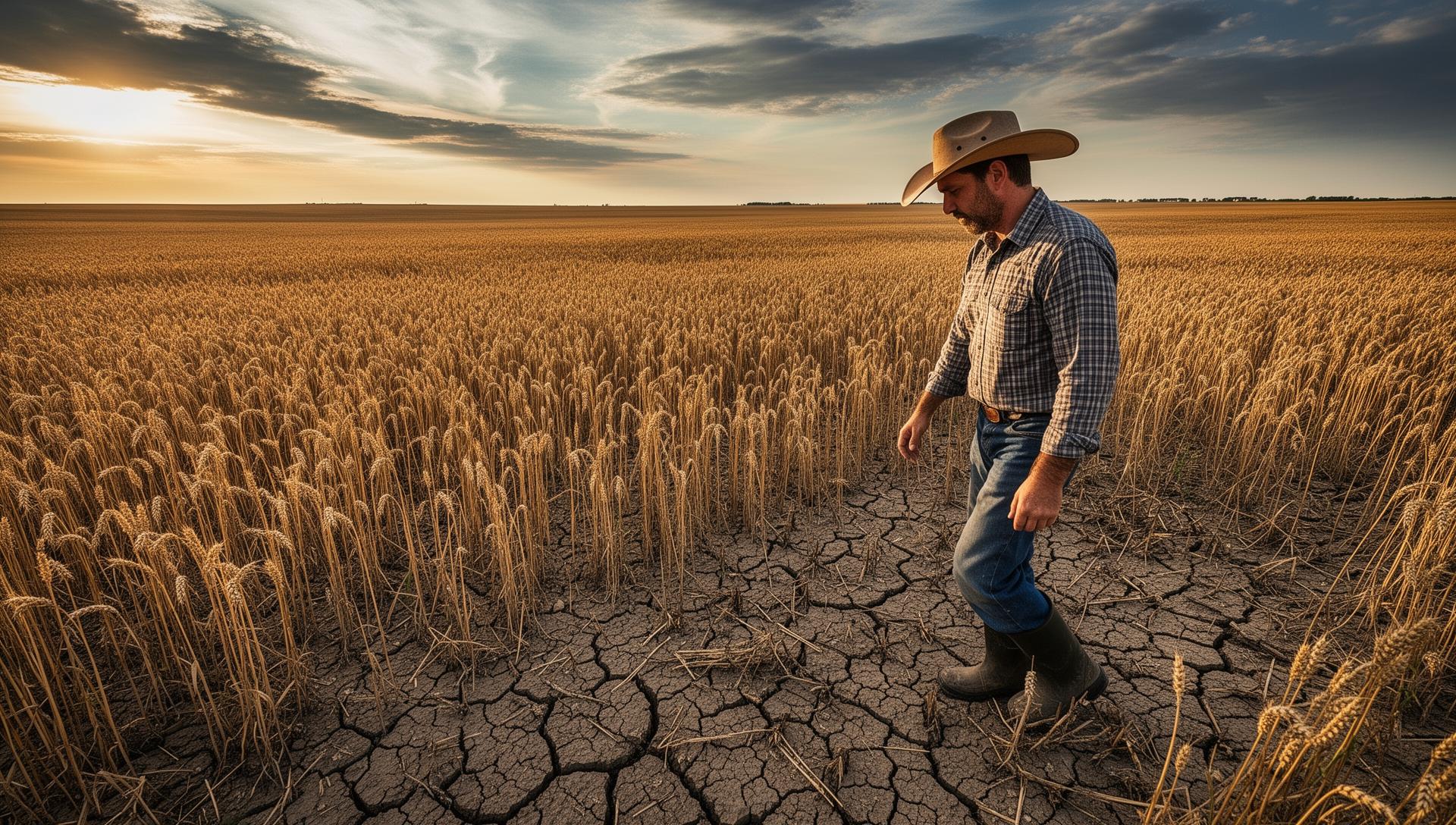
Water is increasingly recognized as agriculture's most precious resource, and efficient water management is critical for both farm profitability and environmental sustainability. Whether you're managing irrigation in the dry prairies, conserving water during Ontario droughts, or optimizing greenhouse water use in BC, modern water conservation strategies can reduce costs, improve yields, and ensure long-term water availability.
Water in Canadian Agriculture
Key water considerations:
- Agricultural water use varies significantly by province
- Major irrigated acreage in Alberta, Saskatchewan, BC, Ontario
- Water sources include surface water, groundwater, dugouts, reservoirs
- Water rights and allocation systems differ by province
- Climate change is impacting water availability
- Competing demands for water resources are increasing
Efficient Irrigation Systems
Center Pivot Irrigation
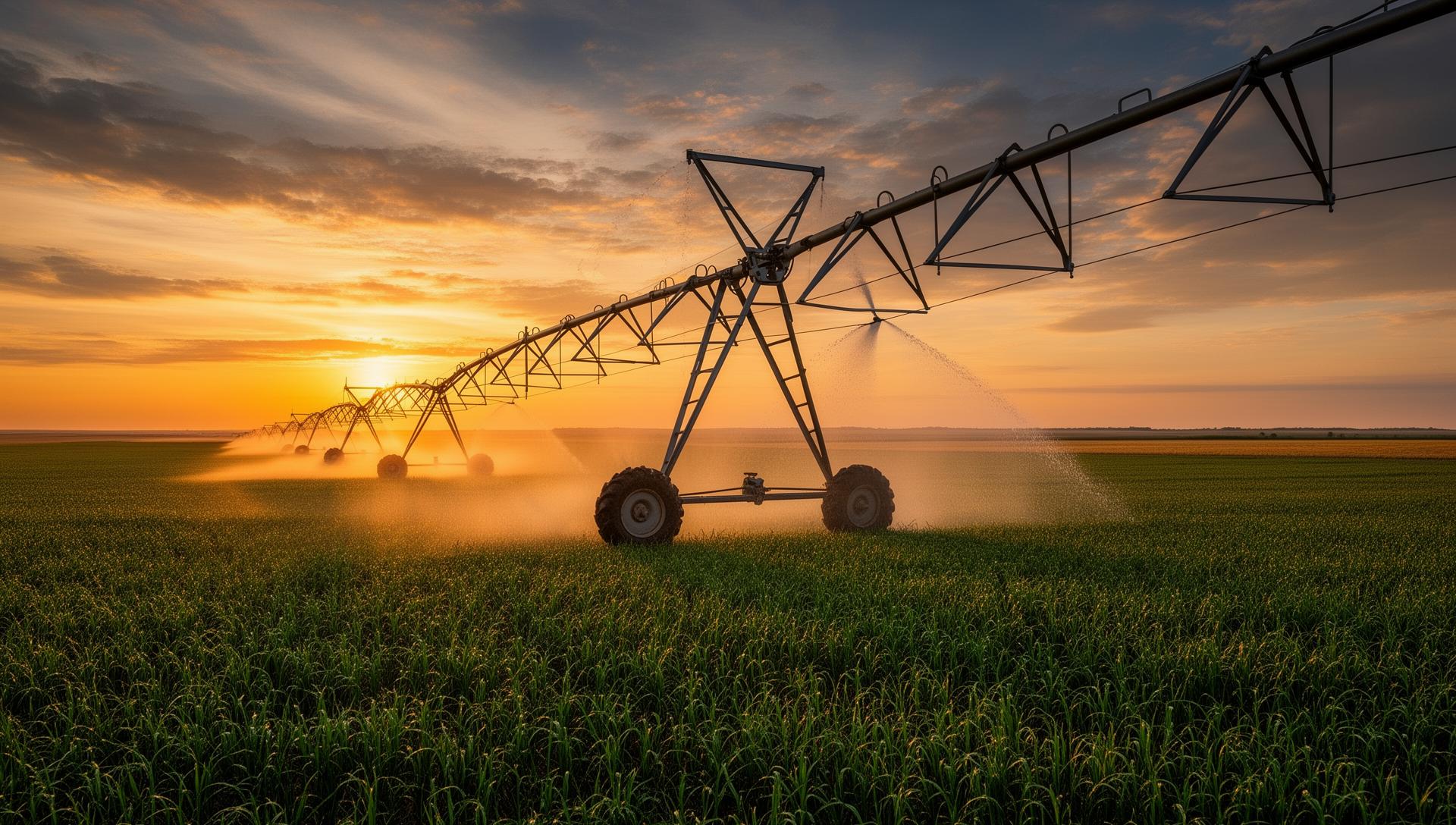
Center pivots offer significant water efficiency advantages over flood irrigation. Modern pivot technologies include Variable Rate Irrigation (VRI), corner systems, drop nozzles, and advanced automation. Expect investment of $40,000-$150,000 depending on size and features.
Drip/Micro Irrigation
Drip irrigation is the highest efficiency method (90-95%), ideal for vegetables, orchards, vineyards, and greenhouse operations. Subsurface drip irrigation (SDI) offers additional water savings. Extensively used in BC specialty crops where water costs are high.
Irrigation Scheduling and Management
Effective irrigation scheduling prevents both over and under-watering. Soil moisture sensors provide real-time data, while evapotranspiration (ET) based scheduling calculates crop water demand. The Alberta Irrigation Management Model (AIMM) and provincial ET networks provide local data.
Deficit Irrigation Strategies
Controlled water stress during non-critical growth stages can save water without significantly impacting yields. Identify critical stages (flowering, grain fill) for full irrigation and non-critical stages for deficit irrigation. This approach requires careful monitoring.
Water Conservation Cultural Practices
Practices that conserve water:
- Drought-tolerant crop varieties matched to water availability
- Crop residue management for moisture retention
- No-till and conservation tillage to reduce evaporation
- Cover crops and living mulches
- Building soil organic matter for water holding capacity
Water Storage and Capture
On-farm water storage provides drought resilience. Dugout design and construction must follow provincial regulations. Evaporation reduction strategies, water quality maintenance, and proper sizing are essential for effective storage. Rainwater harvesting from buildings provides supplemental water for livestock and washing.
Technology for Water Management
Smart water management tools:
- Automated irrigation controllers with weather integration
- Soil moisture-triggered irrigation systems
- Remote monitoring and control via cellular/satellite
- Variable rate irrigation (VRI) prescription maps
- Flow meters for tracking water use
- Pump energy monitoring (largest cost for many operations)
Regulatory Compliance and Water Rights
Provincial water allocation systems vary significantly. Alberta's Water Act and TIER system, Saskatchewan's Water Security Agency, BC's Water Sustainability Act, and Ontario's Permit to Take Water (PTTW) all have different requirements. Mandatory water use reporting, meter installation, and annual reporting deadlines must be followed.
Economic Benefits of Water Conservation
Financial advantages:
- Reduced pumping costs (often the largest irrigation expense)
- Labor efficiency with automated systems
- Improved yields from better water management
- Extended equipment life with proper maintenance
- Regulatory compliance avoiding penalties
- Access to sustainability markets and certifications
- Drought resilience and risk reduction
Water Conservation Incentive Programs
Federal and provincial programs support water efficiency investments. The Alberta Irrigation Rehabilitation Program, BC agricultural water infrastructure programs, BMP funding, and tax incentives help offset the cost of irrigation modernization and water conservation equipment.
How AgriIntel Optimizes Water Management
Platform water management features:
- ET-based irrigation scheduling tools
- Soil moisture sensor integration
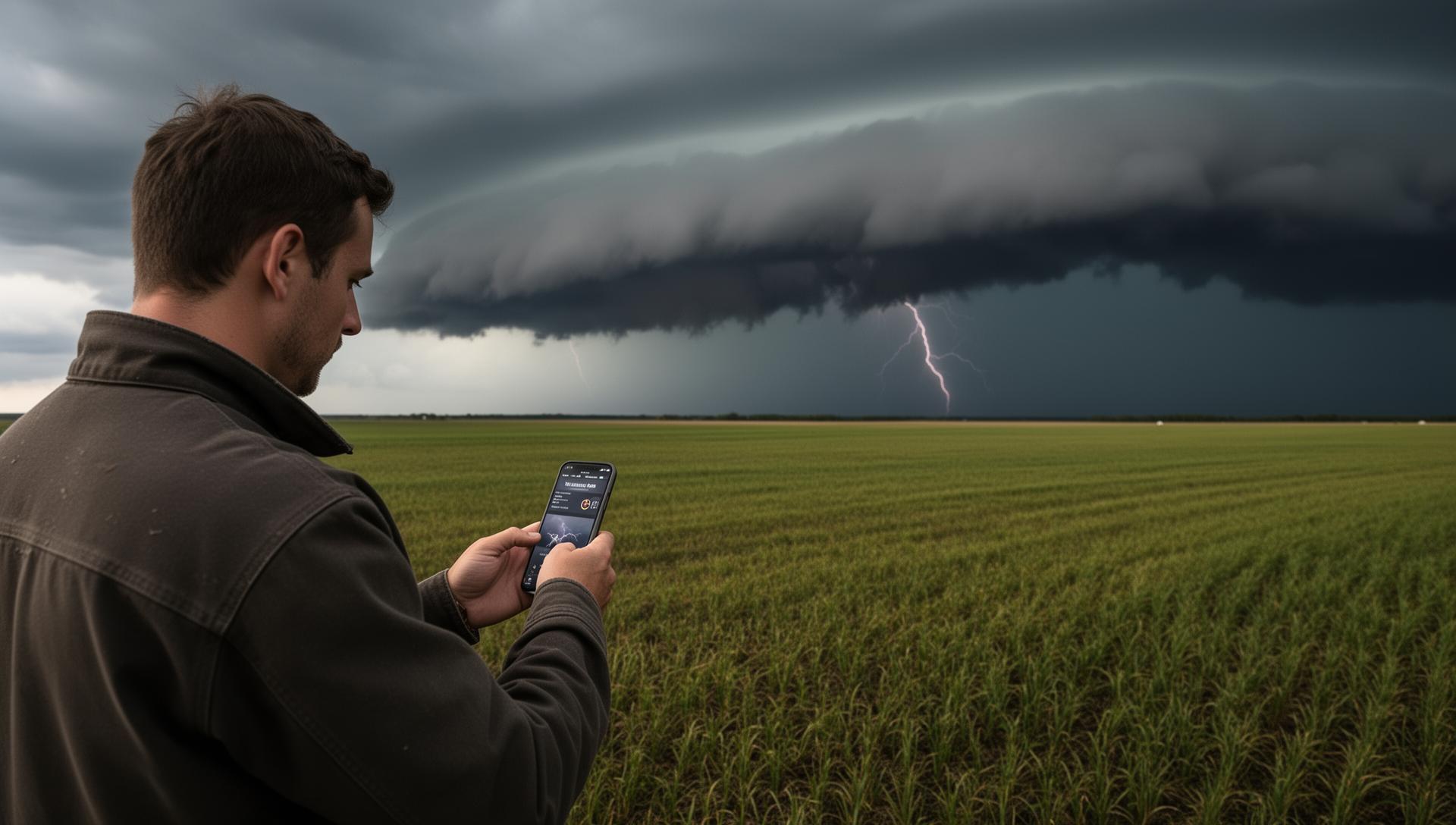
- Weather forecast integration for irrigation planning
- Water use tracking and reporting
- Flow meter data logging
- Pump energy cost calculation
- Regulatory compliance reporting
- Multi-year water use analysis
- Alert system for equipment issues
Maximize every drop with AgriIntel's water management tools. Start your free 14-day trial and discover how much water and money you can save with smarter irrigation management.
Get Started Free