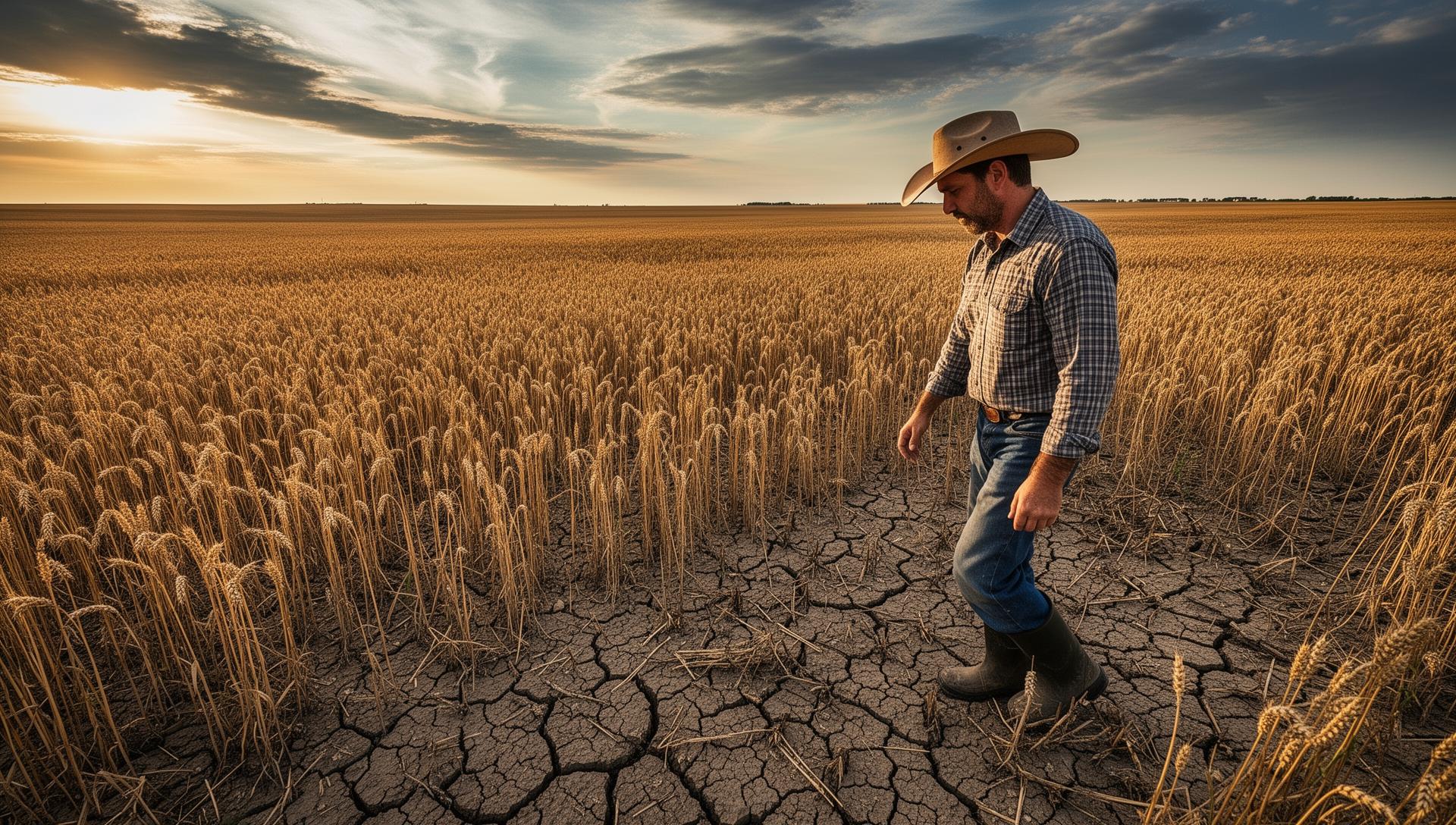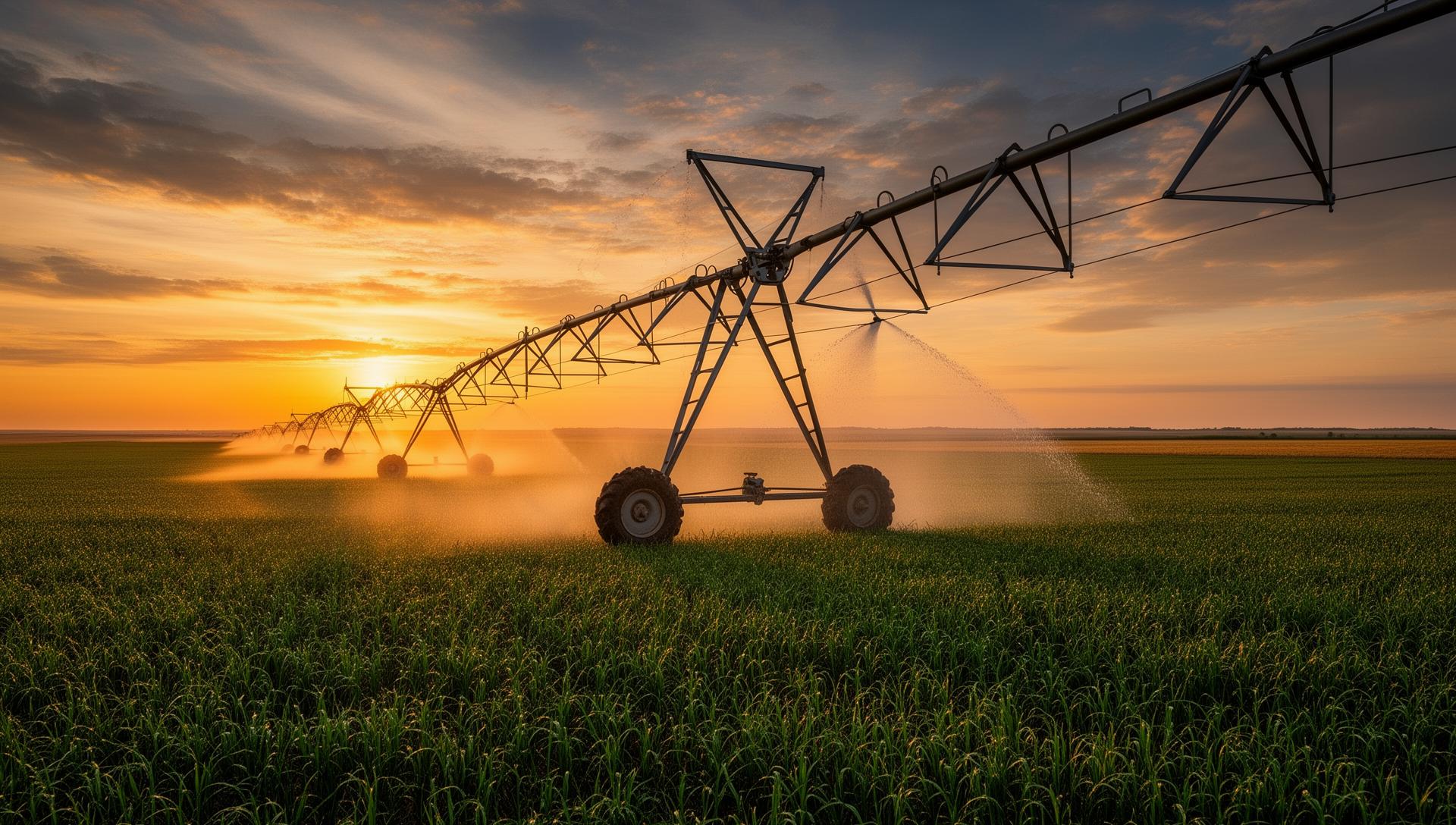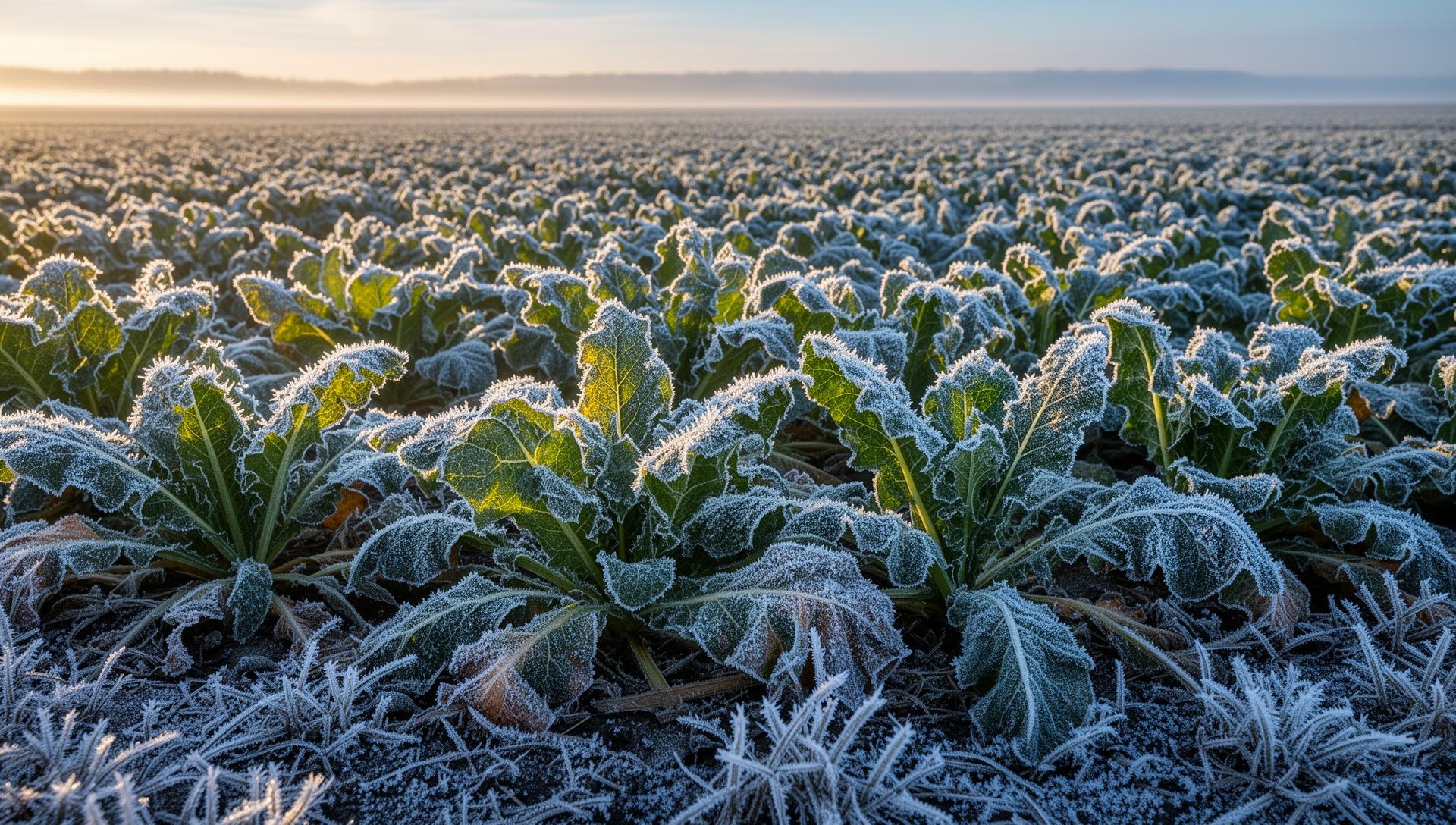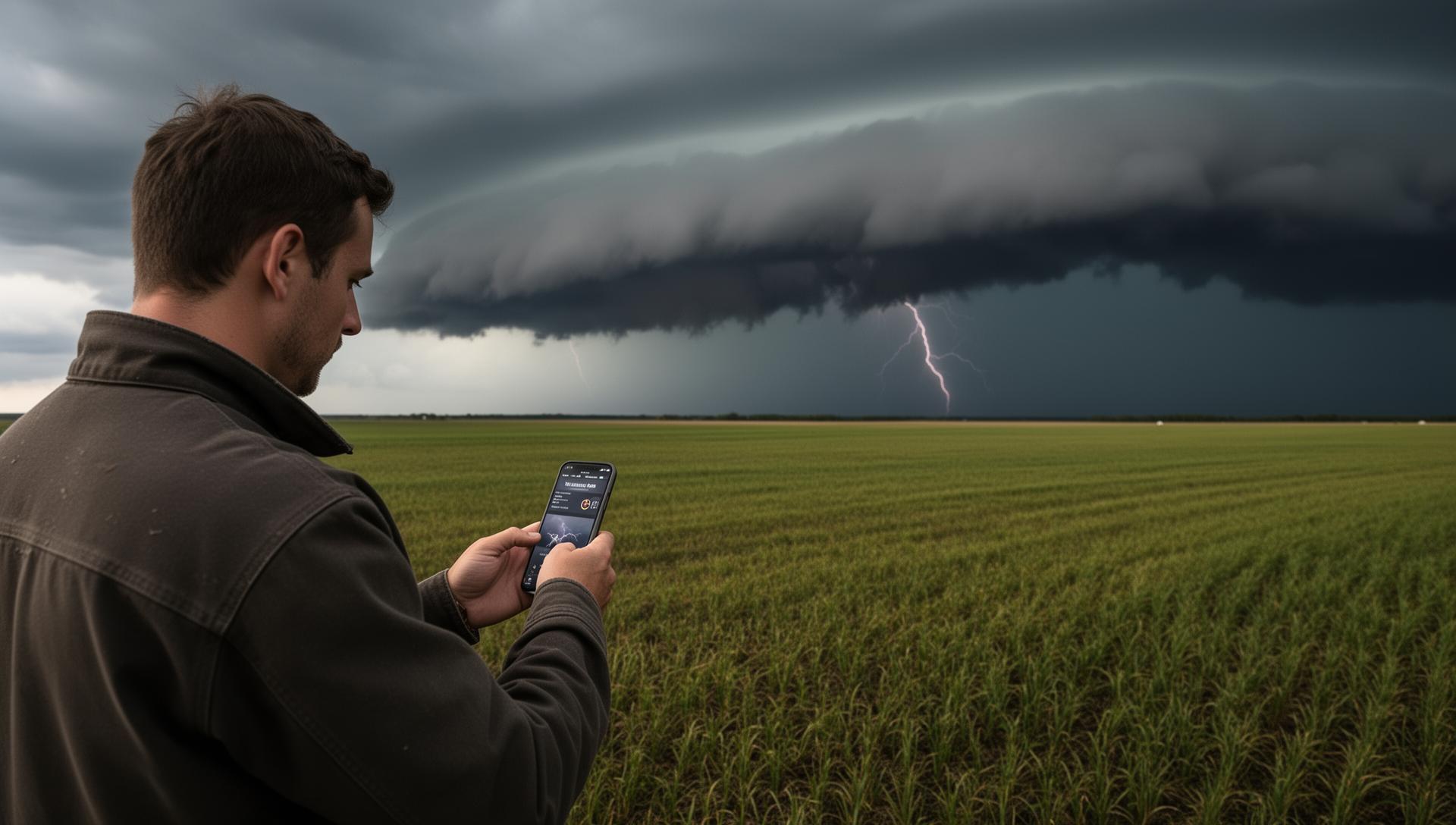
Weather is agriculture's most influential factor—and the most unpredictable. Canadian farmers face dramatic weather variability from prairie droughts to Ontario humidity, from BC rain to Atlantic storms. Modern weather forecasting, climate data analysis, and real-time monitoring technology enable farmers to make better-timed decisions about planting, spraying, fertilizing, irrigating, and harvesting.
Why Weather-Based Management Matters
Weather impacts every farm decision:
- Economic consequences of poor timing (spray washoff, planting delays)
- Climate variability across Canadian regions
- Yield impact of weather optimization
- Risk management through weather awareness
- Climate change increasing variability
- Technology making weather data accessible
Understanding Canadian Agricultural Weather
Prairie provinces experience continental climate with precipitation variability and temperature extremes. Ontario and Quebec have humid continental patterns with seasonal precipitation. BC ranges from marine west coast to mountain-influenced interior climates. Atlantic Canada sees maritime influence with storm systems.
Weather Data Sources for Canadian Farmers
Available data sources:
- Environment and Climate Change Canada (free, reliable)
- Private services: DTN, WeatherFarm, AccuWeather Agriculture
- Provincial agroclimatic networks
- On-farm weather stations for hyperlocal data ($200-$2,000+)
- Historical climate data for trend analysis
Weather Forecasting for Farm Decisions
Short-term forecasts (1-3 days) offer highest accuracy, medium-term (4-7 days) good accuracy, and long-term (8-14 days) general trends. Understand probability and uncertainty in forecasts, and update plans as forecasts change.
Growing Degree Days (GDD) and Crop Development
GDD calculations predict crop development stages, pest emergence, and harvest timing. Base temperatures vary by crop (10°C for corn, 5°C for wheat). Regional GDD maps and normals help compare seasons and plan operations.
Weather-Based Planting Decisions
Planting timing factors:
- Minimum soil temperatures by crop
- Soil moisture conditions (too wet vs. ideal)
- Forecast for days after planting
- Balancing early planting yield benefit vs. risk
- Equipment capacity and available planting windows
Spray Application and Weather
Ideal conditions: temperature 10-25°C, wind under 15 km/h, humidity above 40%, and adequate rain-free period after application. Product-specific requirements vary. Weather-based spray timing prevents product waste from rain washoff and drift.
Disease and Pest Pressure Management
Weather-driven pest management:
- Humidity and leaf wetness trigger fungal diseases
- Temperature drives disease development rates
- Disease forecasting models (potato late blight, fusarium)
- Insect development tied to degree days
- Preventive vs. reactive treatment timing
Irrigation Scheduling and Weather
Evapotranspiration (ET) calculations, rainfall tracking, and soil moisture balance guide irrigation decisions. Forecast-based scheduling delays irrigation when rain is coming, conserving water and reducing costs.
Harvest Timing and Weather
Dry conditions are essential for harvest. Monitor precipitation forecasts, frost warnings for late-season crops, and temperature impacts on grain quality. Balance crop maturity with available weather windows for optimal results.
Severe Weather Preparedness
Weather risk management:
- Hail probability monitoring and crop insurance
- Storm tracking and radar
- Drought indices and early warning systems
- Flood risk and drainage management
- Emergency harvest decisions
Climate Trends and Long-Term Planning
Analyze historical climate data for trends: warming temperatures, precipitation changes, growing season length, and extreme event frequency. Climate adaptation strategies inform crop selection, infrastructure investments, and long-term planning.
How AgriIntel Leverages Weather for Farm Decisions
Platform weather features:
- Integration with multiple weather data sources
- Hyperlocal weather from on-farm stations
- 7-14 day forecast integration
- Growing degree day tracking by field
- Automated weather alerts (frost, wind, rain)
- Spray window identification tool
- Disease risk alerts based on conditions
- Planting date recommendations
- Harvest weather window forecasting
- Historical weather data by field
- Weather-based task scheduling
- Climate trend analysis for planning
Stop fighting the weather—work with it. AgriIntel integrates weather forecasting into every farm decision. Start your free 14-day trial and discover how weather-aware farming boosts yields and reduces waste.
Get Started Free