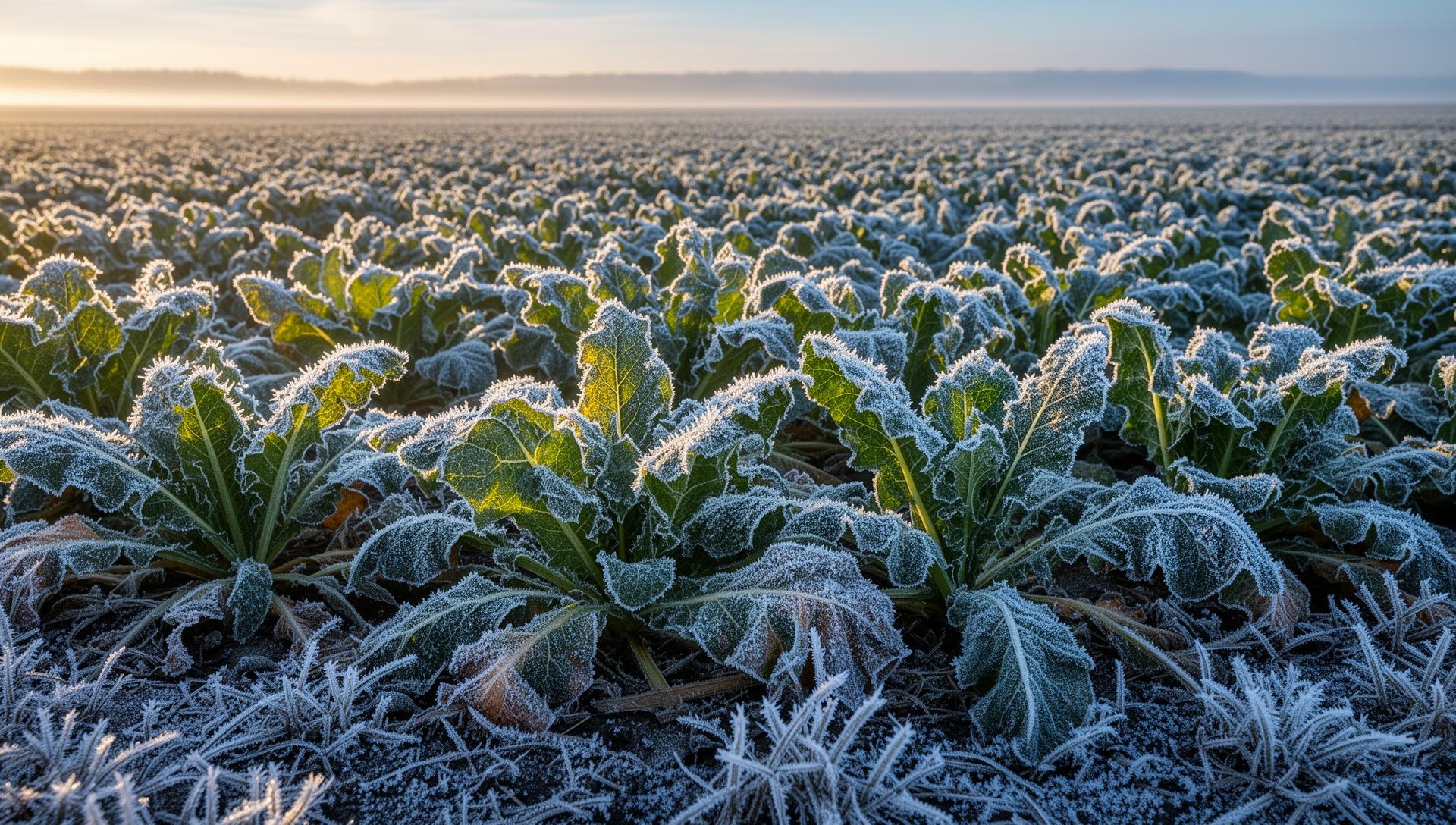
Frost events are among the most costly weather risks for Canadian farmers, capable of wiping out entire crops in a single night. Late spring frosts threaten newly planted or emerging crops, while early fall frosts can devastate crops approaching maturity. Modern frost prediction technology, active protection methods, and strategic planning can significantly reduce frost losses.
Understanding Frost in Canadian Agriculture
Key frost concepts:
- Radiation frost: clear skies, calm winds, low humidity
- Advective frost: cold air mass moving in
- Black frost: severe damage without visible ice
- Critical temperatures vary by crop and growth stage
- Frost pockets and cold air drainage patterns
- Climate change impacts on frost timing
Frost Risk by Canadian Region
Prairie provinces face short growing seasons (90-120 frost-free days) with late spring and early fall frost risk. Southern Ontario has longer seasons (150-180 days) but tender fruit regions face spring blossom frost. BC coastal regions are mild, but interior valleys have significant risk.
Frost Damage by Crop Type
Critical frost temperatures:
- Canola: extremely sensitive at flowering (-2°C damage)
- Corn: seedling and silk/tassel stages most vulnerable
- Wheat/cereals: varies by tillering vs. heading stage
- Fruit trees: blossom frost devastating for apples, cherries
- Vegetables: highly variable by species
- Potatoes: foliage damage impacts tuber development
Frost Prediction and Monitoring
Prediction tools:
- Environment Canada frost warnings
- Private weather services (WeatherFarm, DTN)
- On-farm weather stations with multiple sensors
- Low-spot monitoring (frost pocket detection)
- Dew point and humidity monitoring
- Temperature trends and cooling rate analysis
Passive Frost Protection Strategies
Site Selection and Management
Avoid frost pockets and low-lying areas where cold air accumulates. Mid-slope positions benefit from cold air drainage. Wind breaks and water bodies can moderate temperatures.
Crop Selection and Planting Timing
Passive protection approaches:
- Frost-tolerant crop species and varieties
- Later-maturing varieties to avoid early fall frost
- Shorter-season varieties to mature before frost
- Staged planting to spread risk
- Probability-based planting date decisions
Active Frost Protection Methods
Irrigation and Sprinkling
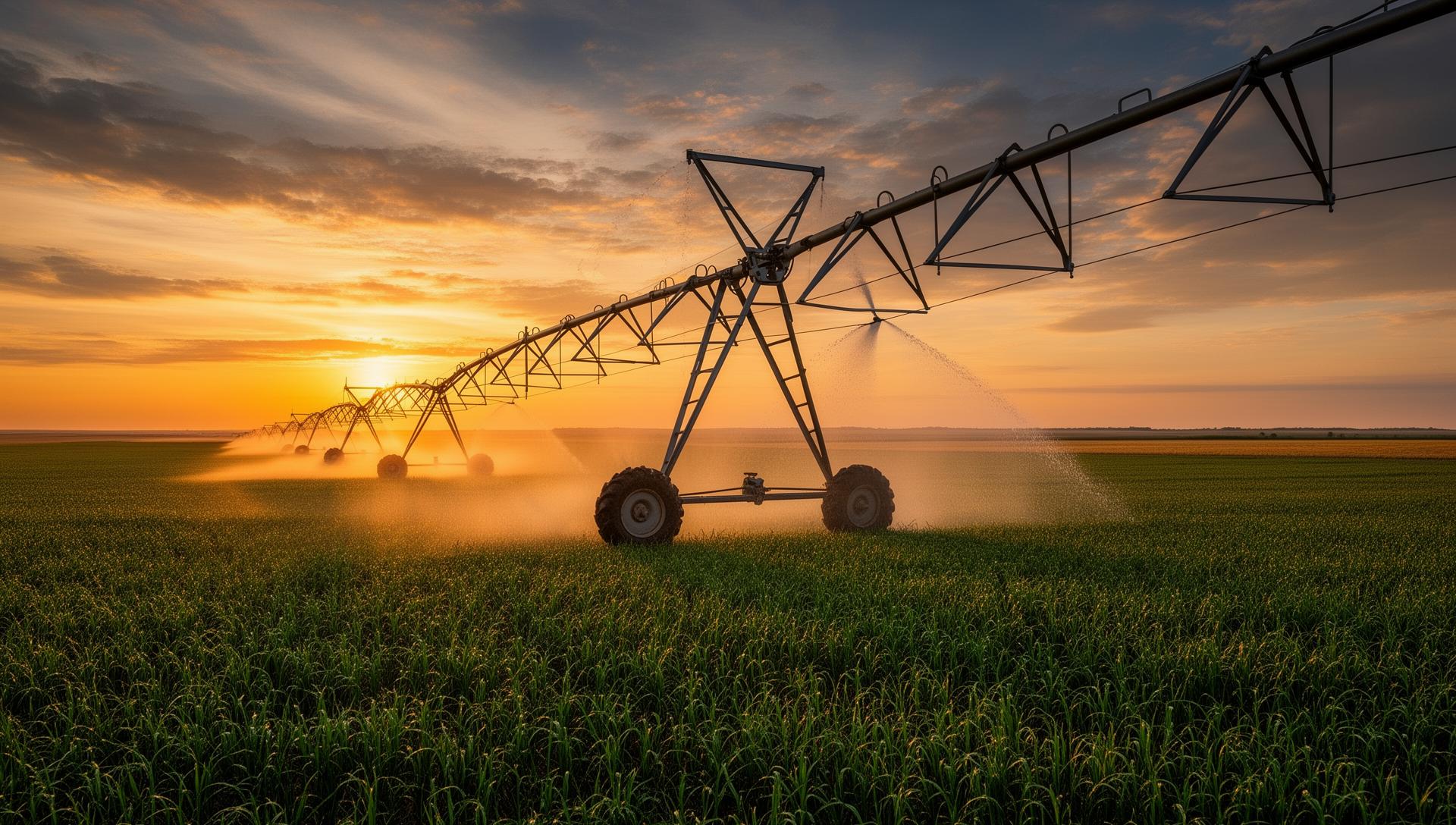
Overhead sprinkler frost protection works because ice formation releases latent heat. Continuous operation during frost events protects tree fruits, berries, and vegetables. High water volume and infrastructure costs limit widespread use.
Wind Machines and Fans
Wind machines mix warm upper air with cold surface air during radiation frost (temperature inversion). Common in orchard operations but not effective for advective (windy) frosts. Coverage and fuel costs are key considerations.
Row Covers and Protective Structures
Floating row covers, plastic tunnels, hoop houses, and individual plant protection are labor intensive but effective for market gardens and small-scale vegetable production.
Post-Frost Damage Assessment
Wait 24-48 hours before assessing damage—don't rush decisions. Check growing points (meristems), document crop-specific symptoms, and evaluate replanting options. Proper documentation is essential for insurance claims.
Crop Insurance and Frost Coverage
AgriInsurance provides frost coverage in most provinces. Understand coverage levels, deductibles, and claim processes. Document events thoroughly with photos, temperature records, and field notes.
How AgriIntel Helps Manage Frost Risk
Platform frost management features:
- Integration with on-farm weather stations
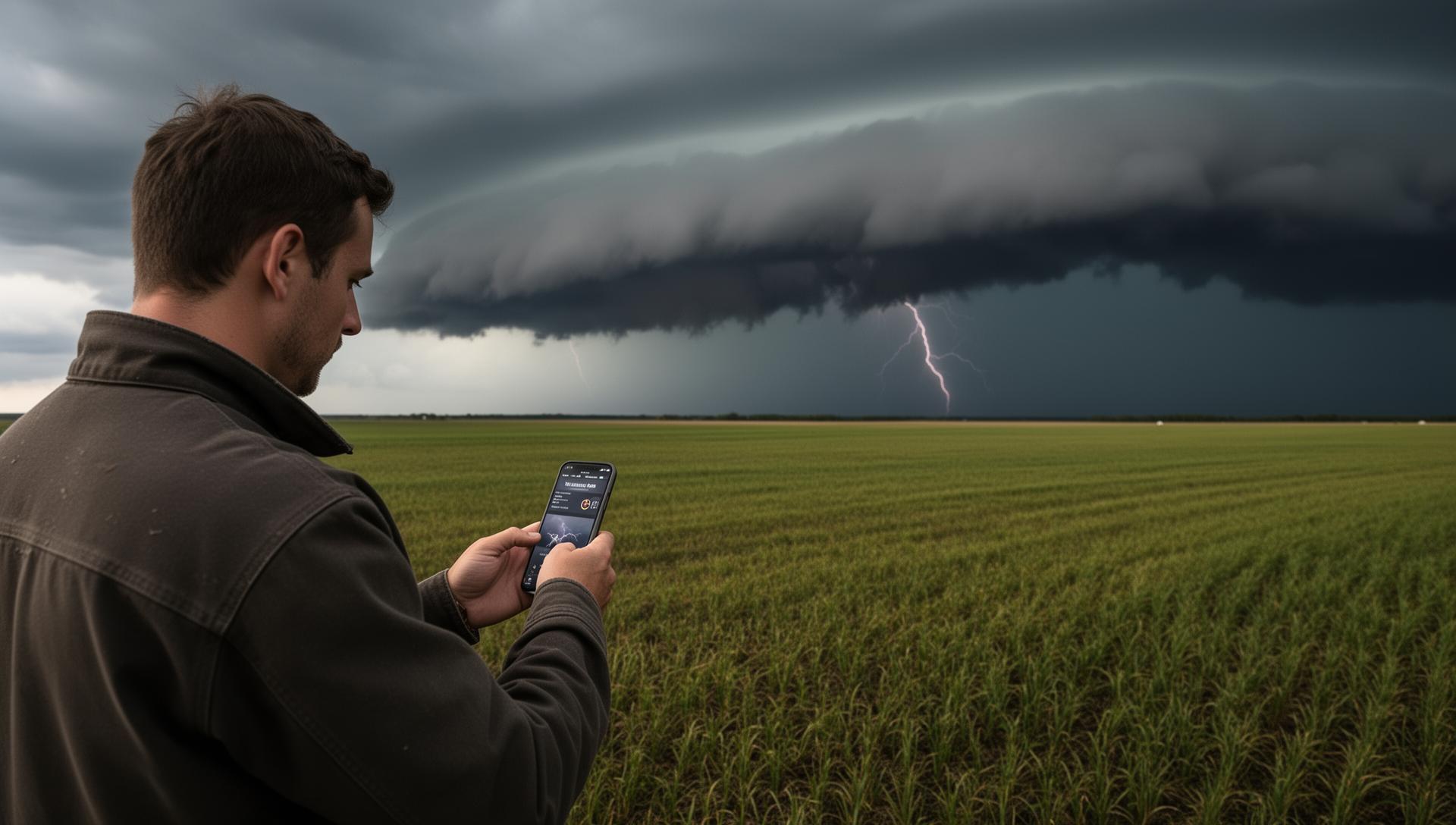
- Customizable frost alert system (multi-location)
- SMS, email, and app push notifications
- Historical frost event tracking by field
- Planting date recommendations based on frost risk
- Frost-free period calculations
- Crop stage tracking for critical periods
- Economic loss estimation tools
- Insurance claim documentation support
- Weather forecast integration (7-14 day outlook)
Don't let a single night destroy months of work. AgriIntel's frost alert system monitors temperatures and sends instant notifications. Start your free 14-day trial today.
Get Started Free