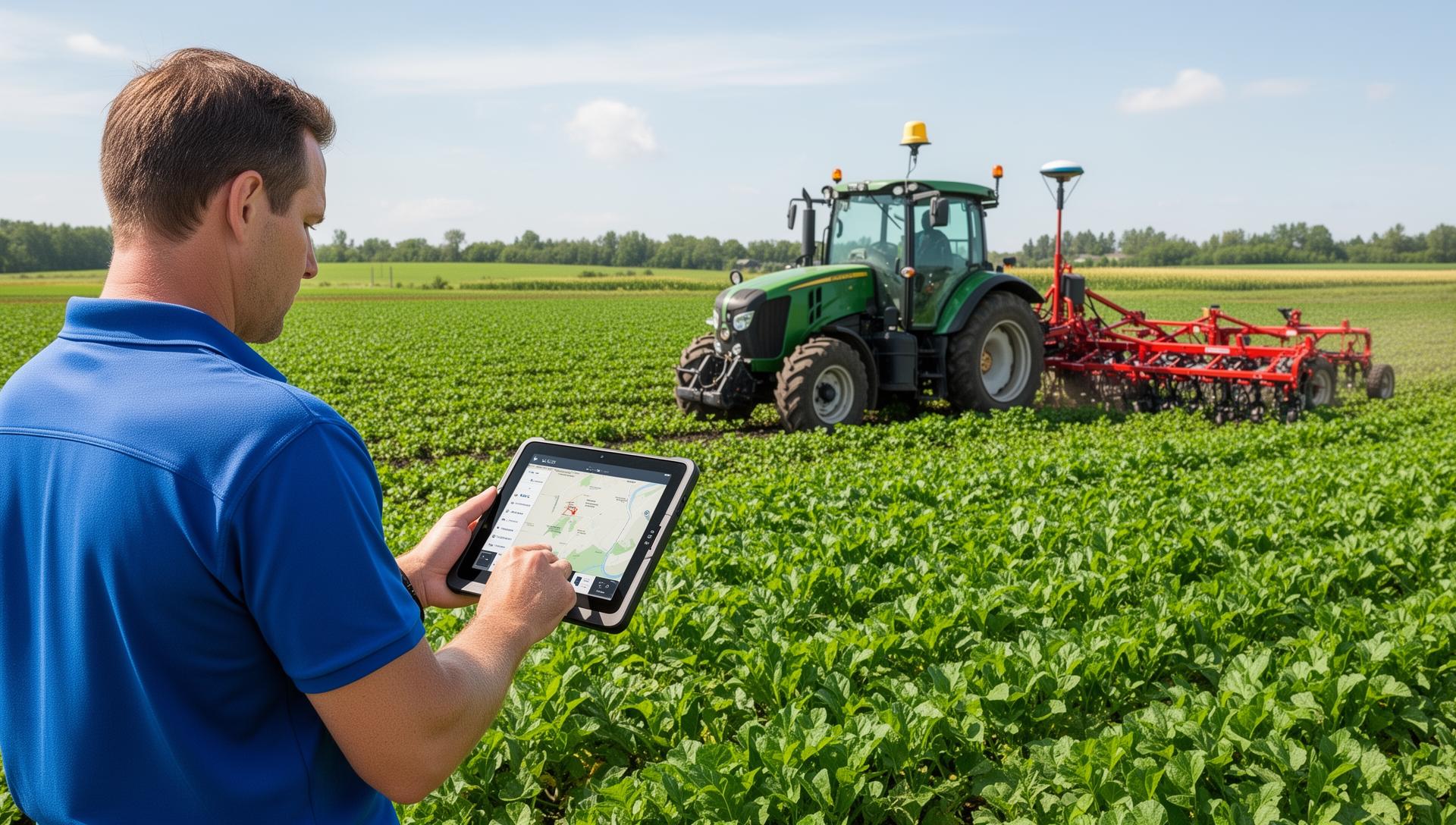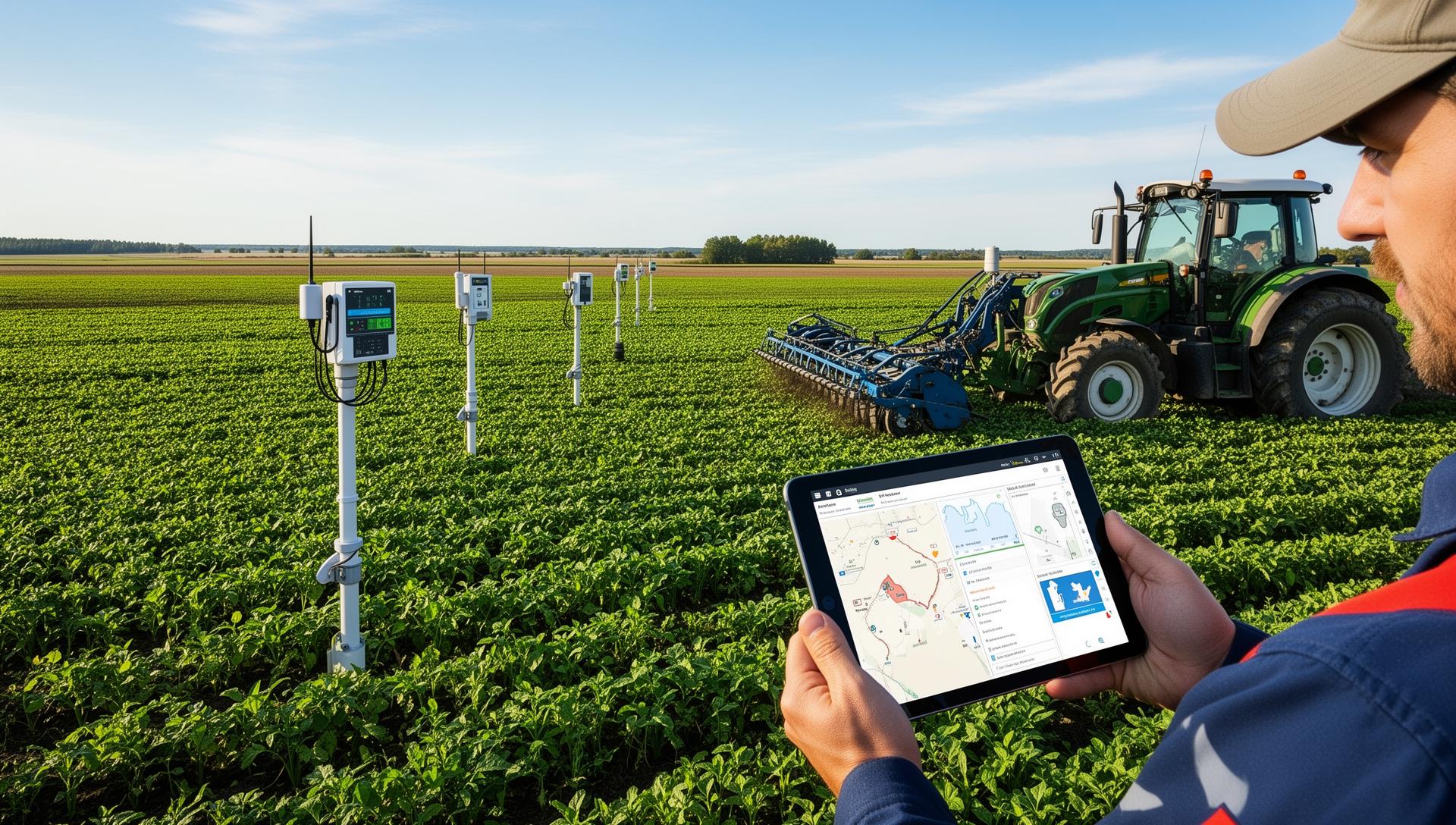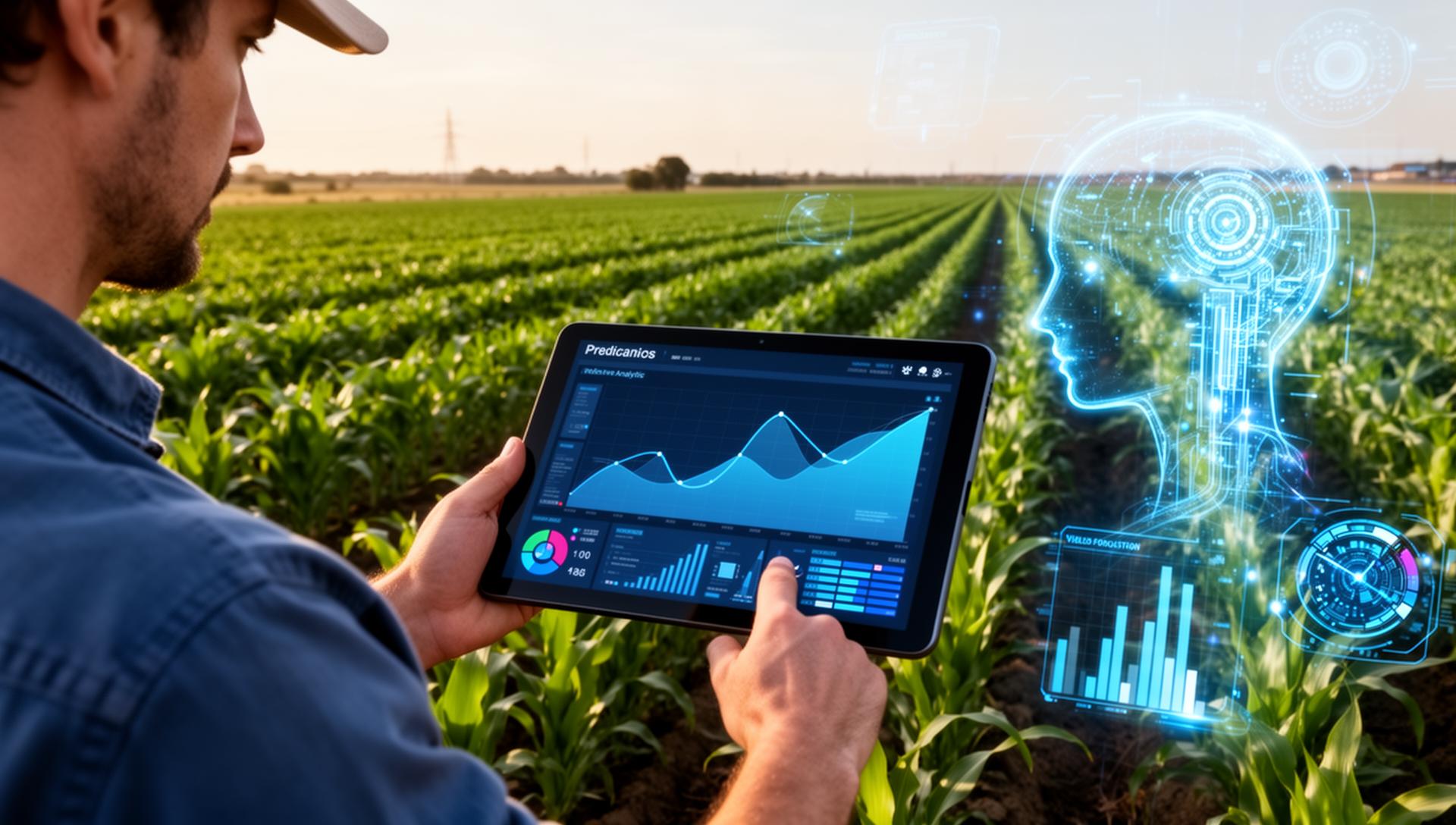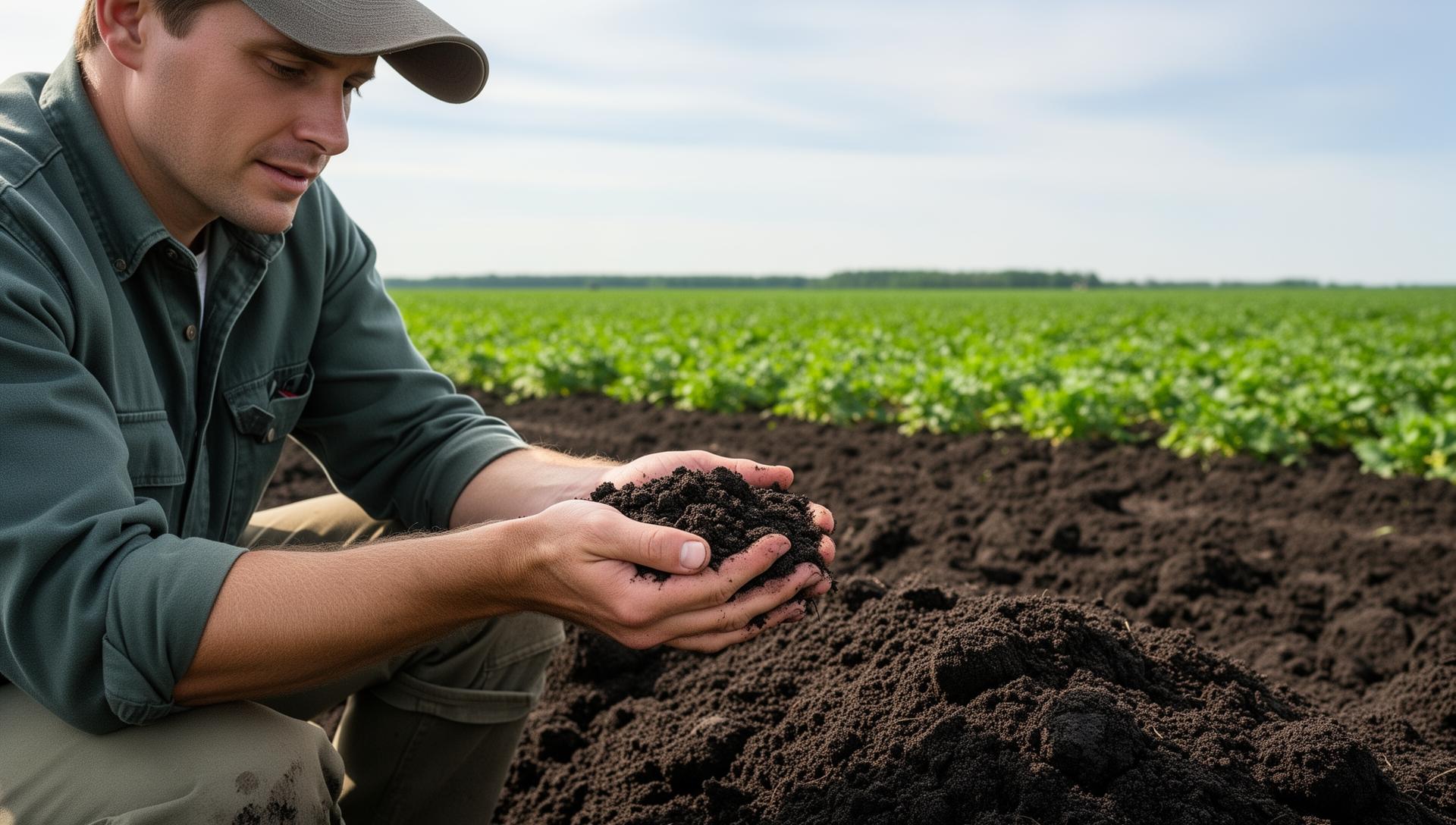
Soil is your farm's most valuable asset, and understanding its health is now easier than ever with modern monitoring technology. From real-time soil moisture sensors to comprehensive lab analysis platforms, from electromagnetic soil mapping to biological health assessments, today's soil monitoring tools provide unprecedented insight into what's happening beneath the surface. Canadian farmers using soil health technology report improved yields, reduced input costs, and better environmental outcomes—all from making data-driven decisions about tillage, fertility, and crop selection.
Why Soil Health Monitoring Matters
Key benefits of monitoring soil health:
- Soil as living ecosystem vs. growing medium
- Connection between soil health and profitability
- Early detection of soil degradation
- Precision management opportunities
- Environmental stewardship documentation
- Program eligibility (carbon credits, BMP funding)
- Long-term land value preservation
Key Soil Health Indicators
Physical Properties
Essential physical indicators:
- Soil texture and structure
- Bulk density and compaction
- Aggregate stability
- Water infiltration rate
- Water holding capacity
- Porosity and aeration
Chemical Properties
Key chemical indicators:
- pH levels
- Macro-nutrients (N, P, K)
- Secondary nutrients (Ca, Mg, S)
- Micro-nutrients (Fe, Mn, Zn, Cu, B, Mo)
- Cation exchange capacity (CEC)
- Base saturation
- Salinity and sodicity
Biological Properties
Biological indicators to track:
- Soil organic matter (SOM)
- Microbial biomass
- Microbial diversity
- Earthworm populations
- Fungal-to-bacterial ratios
- Soil respiration
- Potentially mineralizable nitrogen
Traditional Soil Testing Methods
Laboratory soil testing remains the gold standard for comprehensive soil analysis. Standard soil test packages cover basic fertility, while comprehensive soil health tests like the Haney test and PLFA analysis provide deeper biological insights. Major Canadian soil labs include A&L, SGS, Agvise, and BioVision.
Modern Soil Sensor Technology
Soil Moisture Sensors
Real-time soil moisture monitoring enables precision irrigation scheduling. Capacitance sensors (Sentek, Decagon), tensiometers, and Time Domain Reflectometry (TDR) systems provide continuous data. Expect to invest $200-$1,500 per monitoring station depending on features.
Soil EC Mapping
Electrical conductivity (EC) mapping reveals soil type variations, moisture patterns, and salinity issues across your fields. Mobile EC mapping equipment like Veris or Geonics systems can be hired as a service ($8-15/acre) or purchased for larger operations ($30,000+).
Remote Sensing for Soil Assessment
Satellite imagery analysis of bare soil can reveal texture and organic matter patterns. Free imagery from Sentinel and Landsat complements commercial high-resolution options. Drone-based multispectral sensors offer field-specific detail for erosion and compaction detection.
Biological Soil Health Testing
Advanced biological tests available:
- Haney Soil Health Test (soil respiration, microbial biomass) - $30-$50/sample
- PLFA (Phospholipid Fatty Acid) analysis - $75-$150/sample
- Solvita CO2 burst test
- Active carbon measurement
- Permanganate oxidizable carbon (POXC)
Turning Soil Data Into Action
Variable rate fertility programs use soil test data to create prescription maps, optimizing lime, nitrogen, phosphorus, and potassium applications. This reduces over-application, saves costs, and improves environmental outcomes.
Soil Sampling Best Practices
Follow these guidelines for accurate results:
- Timing: fall after harvest or spring pre-plant
- Avoid recently fertilized or limed areas
- Use consistent sampling patterns year-over-year
- Sample proper depths (0-6", 6-12" for specific analyses)
- Follow composite requirements for your lab
- Label samples clearly and maintain chain of custody
How AgriIntel Enhances Soil Health Management
Platform soil monitoring features:
- Centralized soil test data repository
- Multi-year trend visualization by field
- Soil test reminder scheduling
- GPS-tagged sample locations
- Integration with lab result uploads (PDF parsing)
- Automatic VR prescription generation
- Soil health goal tracking
- Carbon credit baseline documentation
- Comparison to regional benchmarks
Build healthier, more productive soil with AgriIntel's comprehensive soil monitoring tools. Start your free 14-day trial and take control of your soil health management.
Get Started Free